Healthy plants start with healthy soil, especially in organic gardening. While many beginners simply grab any bagged soil from the store, the right organic soil is a foundation for vigorous root systems, robust growth, and nutrient‑dense harvests. But choosing the best organic gardening soil isn’t guesswork; it’s informed by soil science, plant needs, and proven gardening practices.
In this guide, you’ll learn how to evaluate soil quality, what components matter most, and how science supports key decisions for thriving organic gardens.
What Makes Soil ‘Organic’ and Why It Matters
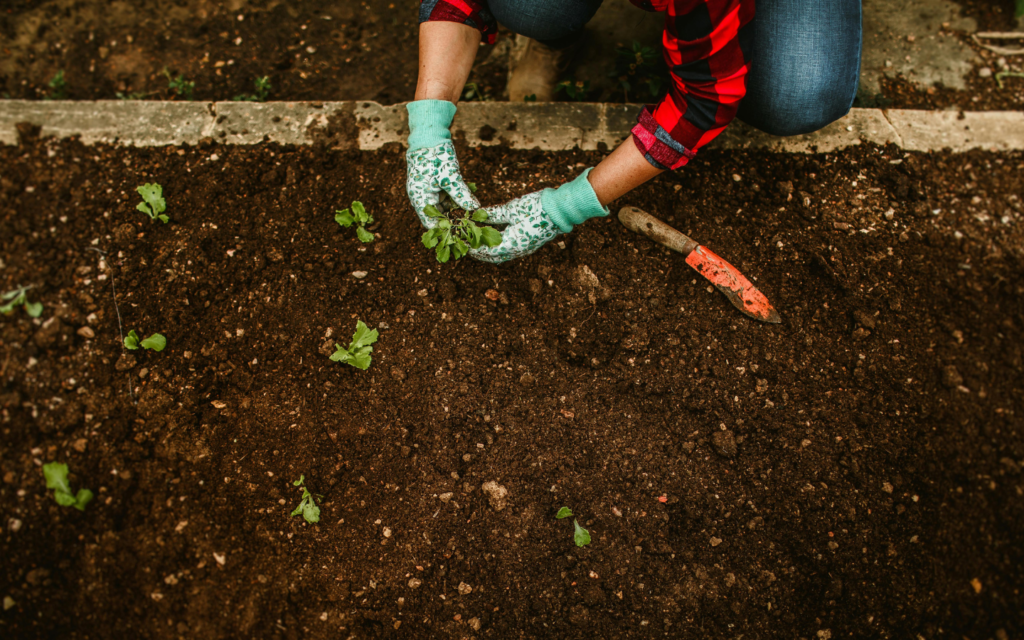
Organic gardening focuses on natural, living soils rich in organic matter, the decomposed plant and animal residues that nourish plants and soil life. Organic soil doesn’t just hold nutrients, it supports the entire biological community that makes nutrients available to plants naturally. This includes microbes, earthworms, and beneficial fungi that drive nutrient cycling, disease suppression, and root health.
A 2023 review published in the Biological and Agricultural Sciences Research Journal highlights that maintaining high levels of soil organic matter is crucial for soil productivity, water retention, nutrient availability, and microbial activity, all of which are central to organic gardening success.
1. Start with Soil Texture: Know What You Have
Soil texture, the balance of sand, silt, and clay particles, influences drainage, aeration, and nutrient retention. Understanding this balance helps you choose or amend soil to suit your plants’ needs.
- Sand: Large particles, excellent drainage, but poor nutrient and water retention.
- Silt: Medium, balanced water and nutrient holding.
- Clay: Fine particles, high nutrient and water retention, but can become compacted and poorly aerated.
Loam, a balanced mix of sand, silt, and clay, is often considered the “gold standard” for gardens because it supports both moisture retention and root aeration.
Tip: Perform a simple texture test by squeezing moist soil, gritty = sandy; smooth = silty; sticky = clayey. Knowing what you start with helps determine the right amendments.
2. Prioritize High Organic Matter Content
Organic matter is the heart of organic soil. It improves soil structure, enhances nutrient retention, stabilizes pH, and feeds beneficial microbes that unlock nutrients for plants.
When evaluating soil products or mixes, look for:
- Compost: A decomposed mixture of plant scraps and organic residues rich in nutrients.
- Worm Castings (Vermicompost): Extremely nutrient‑dense and microbe‑rich, excellent for soil biology.
- Leaf Mold or Humus: Dark, crumbly organic matter with excellent water‑holding and microbial support.
Soils with a visibly dark, crumbly texture usually indicate robust organic matter content, a key marker of fertile organic soils.
Scientific Link: Research consistently shows that higher levels of soil organic matter are associated with better structure, nutrient cycling, and plant productivity.
3. Balance pH for Optimal Plant Performance
Soil pH influences nutrient availability. Most vegetables, herbs, and ornamentals thrive between pH 6.0 and 7.0, slightly acidic to neutral. Outside this range, essential nutrients become less available to plants.
Before planting, test your soil’s pH using a kit or a soil lab. If pH needs adjusting:
- To raise pH (more alkaline): apply garden lime.
- To lower pH (more acidic): use sulfur or organic amendments like peat moss.
A balanced pH ensures nutrients like nitrogen, iron, and phosphorus stay available in the soil.
4. Check for Good Structure, Aeration, and Drainage
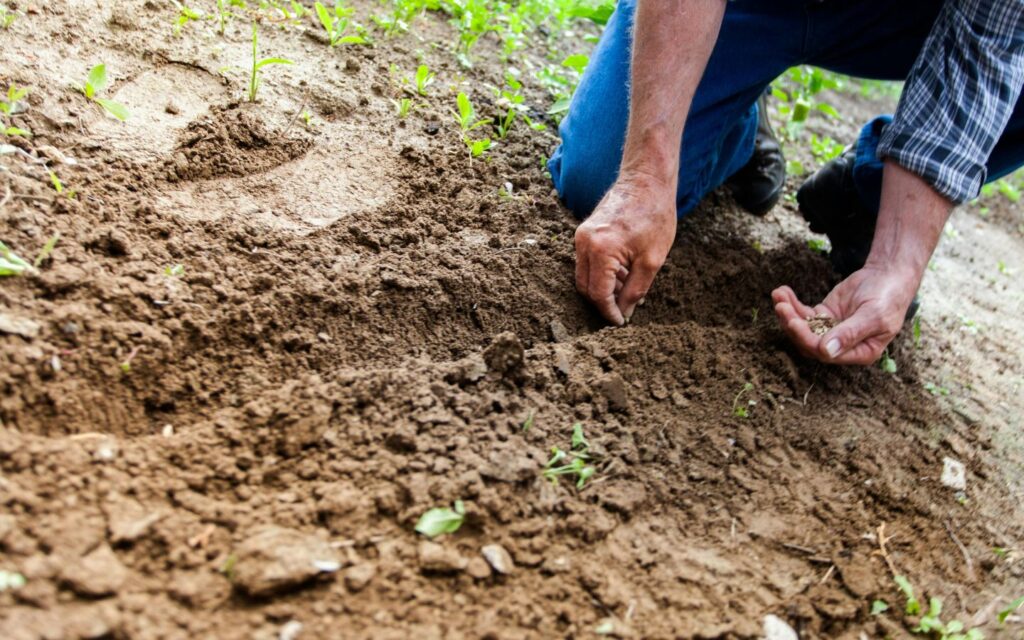
Organic soil isn’t just about chemistry; physical properties matter just as much:
- Structure: Soil should be loose and crumbly, not compacted. This allows roots to penetrate deeply and access air and moisture.
- Aeration: Beneficial microbes need oxygen to thrive. Poorly aerated soils can lead to root diseases and slow growth.
- Drainage: Soil that stays soggy suffocates roots; soil that drains too quickly can leave plants thirsty.
In containers, choose soils with additions like perlite or coconut coir to improve aeration and drainage
5. Choose Certified Organic Products, Avoid Synthetic Additives
When buying bagged soils or mixes, look for certification labels that confirm organic standards and bans on synthetic fertilizers or pesticides. This ensures you’re feeding your garden with natural, plant‑friendly materials rather than chemicals that can harm soil life.
6. Amend and Improve Soil Over Time
Even the best organic soil benefits from regular improvement:
- Annual compost additions increase organic matter and feed soil biology.
- Mulching protects soil from erosion, conserves moisture, and adds organic material as it decomposes.
- Cover crops protect bare soil and add organic matter when turned under.
- Crop rotation helps balance soil nutrients and break pest cycles.
Rather than viewing soil as a static medium, treat it as a living ecosystem that evolves with each season.
7. Scientific Backing, Soil Organic Matter Drives Plant Health
The science is clear: soil organic matter isn’t a luxury, it’s a fundamental driver of soil and plant health. Healthy soils rich in organic matter:
- Store and supply nutrients steadily to plants.
- Improve water infiltration and retention.
- Support microbial activity that protects roots and unlocks nutrients.
- Enhance plant resilience to stressors like drought, pests, and disease.
Consider exploring “Soil Organic Matter: The Heart of Soil Health”, a comprehensive review confirming organic matter’s central role in soil function and plant growth, and why managing it effectively is foundational to successful organic gardening.
Conclusion
Choosing the best organic gardening soil means blending science with practical evaluation. Focus on texture, organic matter, pH balance, structure, and microbial life for soils that nourish healthy, vigorous plants. Opt for certified organic products when possible, and commit to ongoing soil improvement through compost, mulch, cover crops, and thoughtful amendments.
Healthy soil isn’t just dirt; it’s a living, breathing foundation that determines the success of your entire garden.
Learn more about organic gardening at your favorite blog.
