12 Easy Low-Fertilizer Vegetable Gardening Tips Every Beginner Should Try
If you’re ready to grow flavorful home-grown vegetables without relying on bags of chemical fertilizer, you’re in the right place! Low-fertilizer gardening isn’t just eco-friendly, it’s a smart, sustainable way to build healthy soil and productive harvests, even as a complete beginner.
Here’s my personal take on how I transformed a basic patch of soil into a thriving low-fertilizer vegetable gardening, and how you can too.
1. Build Rich Soil with Compost For Low-Fertilizer Vegetable Gardening
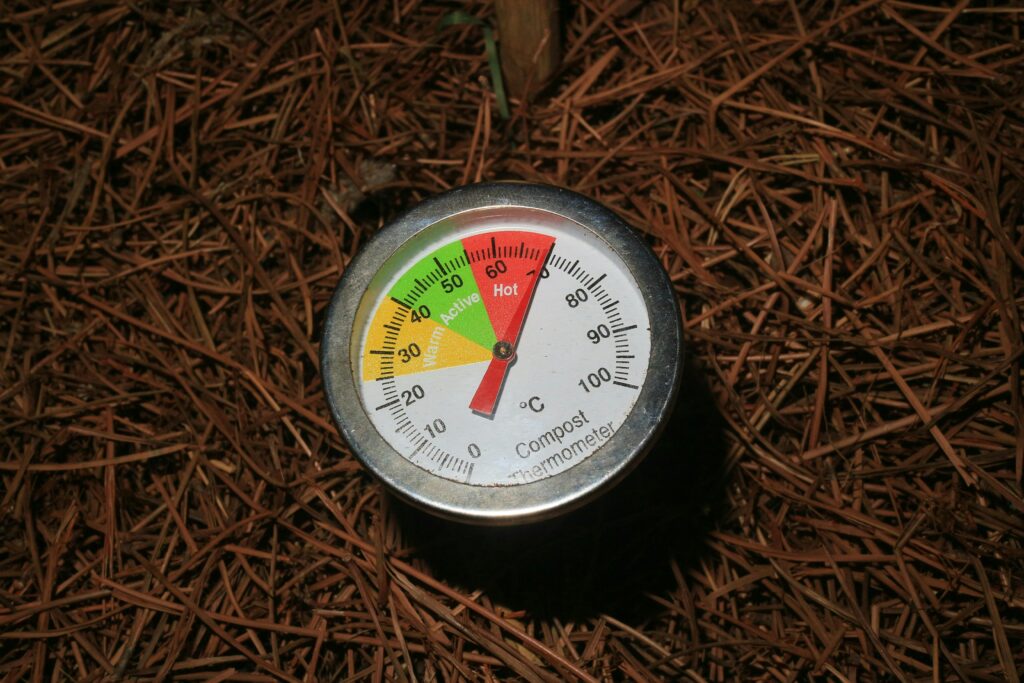
Why it matters: Compost acts like nature’s slow-release food for plants. Instead of dumping in synthetic fertilizer, mixing mature, well-rotted compost into your soil improves structure, moisture retention, and nutrient levels naturally. Pro tip: Add a layer of 2–3 inches of compost before planting each season and work it lightly into the topsoil.
2. Mulch Heavily to Feed Soil and Save Water
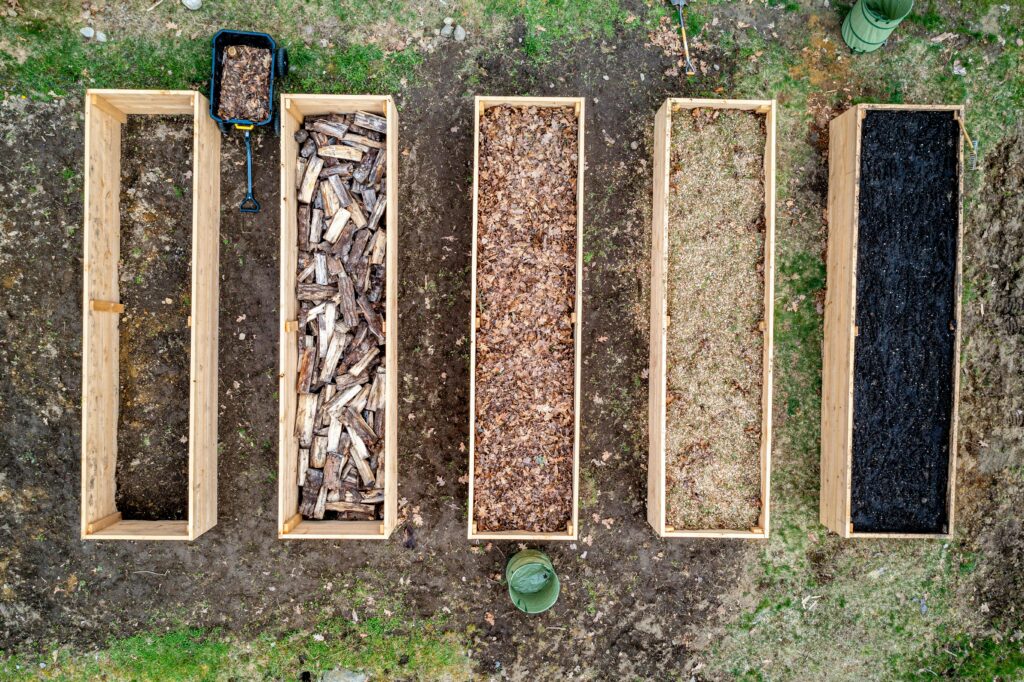
Mulching isn’t just about keeping weeds down — as it breaks down, it adds organic matter and trace nutrients back into the soil.
Benefits:
- Conserves moisture
- Suppresses weeds
- Slowly releases nutrients over time
Mulch around your plants with straw, leaves, or wood chips for better soil and healthier veggies.
3. Grow Nitrogen-Fixing Legumes

Legumes like beans, peas, and clover partner with beneficial bacteria that pull nitrogen from the air and add it to your soil, for free fertilizer! Interplant legumes with heavy feeders (like tomatoes) or rotate them into your beds to boost soil fertility year after year.
4. Use Slow-Release Organic Fertilizers in Containers
If you grow veggies in pots or raised beds, choose organic slow-release pellets or granules. These feed plants gradually without the spikes that synthetic fertilizers can cause. This keeps your soil biology thriving and minimizes fertilizer use.
5. Practice No-Till to Protect Soil Life
Tilling disrupts the network of beneficial organisms in your soil. No-till gardening preserves soil structure, microbes, and its natural nutrient cycling, meaning plants can access nutrients more efficiently. Over time, this reduces your reliance on added fertilizers.
6. Add Leaf Mold for Moisture and Microbes

Leaf mold is decomposed leaves that enrich soil with organic matter and retain moisture. When added to your beds, it fosters healthy soil biology that supports strong vegetable growth with fewer nutrient supplements.
7. Boost Containers with Worm Castings
Often called “black gold” by organic growers, worm castings are a rich natural soil amendment packed with beneficial microbes and nutrients.
Sprinkle a handful into your potting mix or top-dress containers to give plants a natural boost without synthetic feeds.
8. Mix in Biochar to Hold Nutrients
Biochar acts like a sponge — helping soil hold onto nutrients and water rather than letting them leach away. That means more of what’s already in your soil stays available to your plants. Combine it with compost for even better results.
9. Use Green-Manure Cover Crops

During off-season months, plant green-manure cover crops (like rye or clover). These crops:
- Prevent nutrient loss from winter rains
- Add organic matter when turned under
- Improve soil tilth over time
This natural recycling keeps your beds fertile without chemical fertilizer.
10. Collect and Use Rainwater For Low-Fertilizer Vegetable Gardening
Rainwater is soft and free of the salts often found in tap or well water, which can build up and stress plants. Using rainwater helps preserve soil fertility and plant health with minimal inputs.
Rainwater harvested in barrels is also a sustainable and cost-effective solution for watering your veggies.
11. Try Straw-Bale Gardening
Straw-bale gardening is a creative, low-fertilizer method where decomposing straw becomes your plant medium. As it breaks down, it gradually releases nutrients and feeds your vegetables, with minimal fertilizer added. It’s perfect for gardeners who want a clean, contained growing system.
12. Recycle Kitchen Scraps into Compost
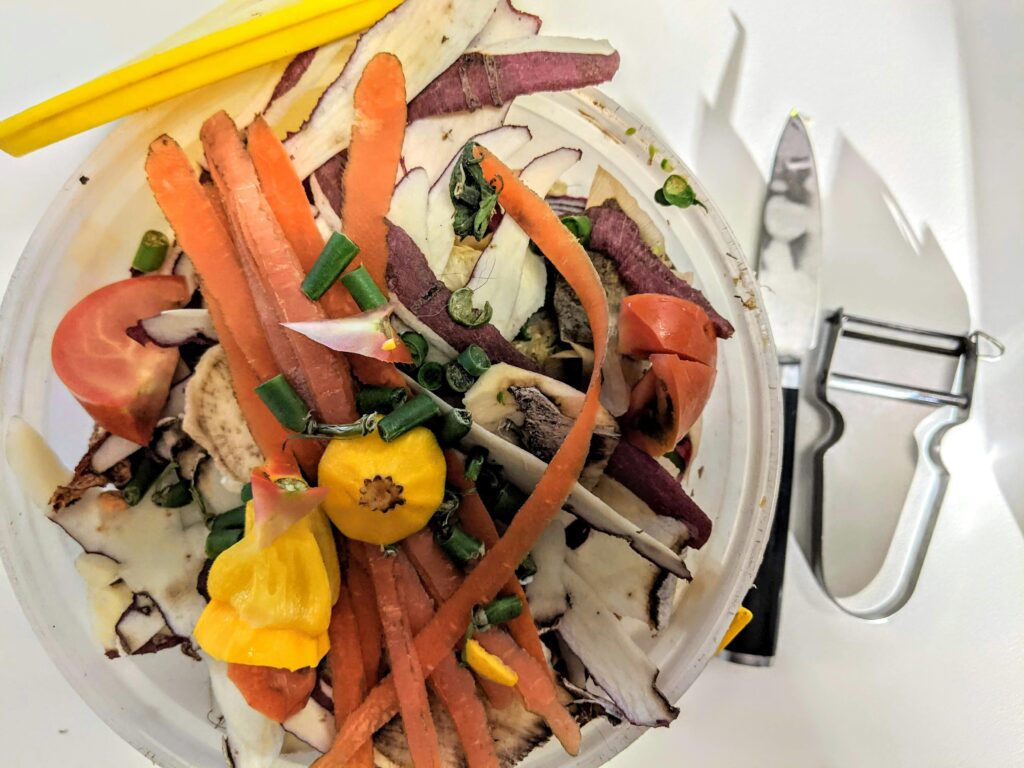
Turn food waste into gardening gold! A kitchen compost bucket for peels, cores, and garden waste builds up nutrient-rich material that your vegetables will love. This habit not only reduces waste but keeps your garden fertile and low-input.
Final Thoughts
Low-Fertilizer vegetable gardening isn’t about deprivation; it’s about working with nature to build soil that feeds your plants over the long run. From compost and mulch to rainwater harvesting and clever crop rotation, these tips help you grow productive vegetables sustainably and with far fewer fertilizer inputs.
Beginner gardeners especially will benefit from starting simple, observing what works in their space, and letting soil biology do much of the work.
