
10 Plants That Heal Damaged Soil Naturally
Soil doesn’t suddenly fail; it gets tired. Years of overuse, harmful chemicals, or neglect quietly strip it down until nothing thrives. Then something unexpected happens: certain plants begin repairing it on their own. No fertilizers, no shortcuts. Just roots, microbes, and time working together beneath the surface.
1. Clover
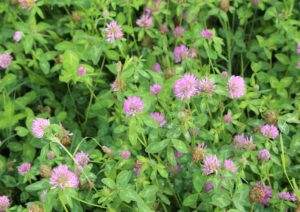
Clover is one of the most reliable soil healers. It fixes atmospheric nitrogen through root bacteria, feeding future crops naturally. Its dense growth also prevents erosion and suppresses weeds. Over time, it improves soil structure and microbial life, reducing the need for synthetic fertilizers.
2. Alfalfa
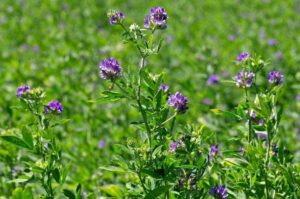
Alfalfa develops deep roots that break compacted soil layers and pull nutrients upward. It increases organic matter and supports beneficial microbes. As a nitrogen-fixing legume, it restores fertility while improving drainage and aeration in degraded soils.
3. Hairy Vetch
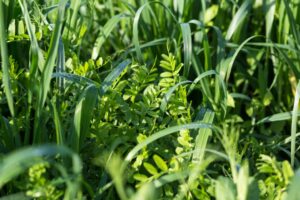
Hairy vetch is widely used to rebuild poor soil. It fixes nitrogen efficiently and adds large amounts of organic matter when decomposed. Its spreading growth protects soil from erosion and improves moisture retention, making it ideal for long-term soil recovery.
4. Buckwheat
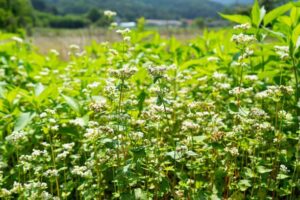
Buckwheat grows fast and thrives in poor soil. It helps release locked nutrients like phosphorus and improves soil structure. Its roots create channels for air and water, while its quick growth suppresses weeds and protects bare soil.
5. Mustard
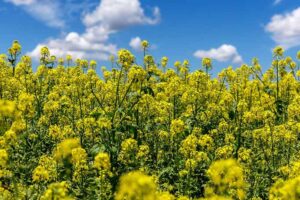
Mustard works as a natural soil cleanser. It acts as a biofumigant, reducing soil-borne pests and diseases. When used as green manure, it adds nutrients and improves soil texture, helping restore balance in damaged fields.
6. Radish (Forage/Daikon)
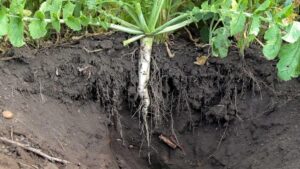
Radish roots grow deep and thick, breaking up compacted soil naturally. As they decay, they leave channels that improve water flow and root penetration. This process helps revive dense, lifeless soil without mechanical tilling.
7. Lupines
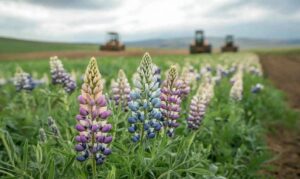
Lupines are both ornamental and functional. As legumes, they fix nitrogen and enrich poor soils. Their roots stabilize soil and improve structure, while their flowers attract pollinators, supporting a healthier ecosystem overall.
8. Comfrey
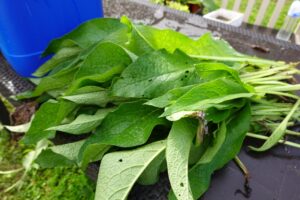
Comfrey pulls nutrients from deep underground and stores them in its leaves. When those leaves decompose, they enrich the topsoil. Its deep roots also help aerate compacted soil, making it useful for long-term soil rebuilding.
9. Beans and Peas
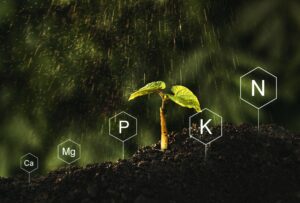
Beans and peas quietly rebuild soil after heavy crops. They fix nitrogen through root nodules and leave behind nutrient-rich residues. Rotating them with other plants restores balance and improves soil fertility over time.
10. Rye (Winter Rye)
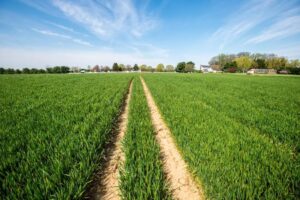
Rye is excellent for protecting and rebuilding soil in the off-season. It prevents erosion, absorbs leftover nutrients, and improves soil structure. Its strong root system enhances water retention and reduces nutrient loss during harsh conditions.
FAQs About Plants that Heal Damaged Soil
1. How do these plants actually heal soil?
They improve soil through nitrogen fixation, organic matter addition, and root activity. Legumes convert atmospheric nitrogen into usable nutrients, while others break up compact soil and enhance microbial life.
2. How long does it take to see results from these plants that heal damaged soil?
Some changes appear within one season, but real improvement takes multiple planting cycles. Soil healing is gradual and depends on consistent use of these plants.
3. Can these plants that heal damaged soil replace fertilizers completely?
In many cases, yes, especially with legumes. They provide natural nutrients and reduce dependency on chemical fertilizers, though additional organic inputs can still help.
4. Are these plants that heal damaged soil suitable for small gardens?
Absolutely. Cover crops and soil-improving plants work in both small gardens and large farms, improving fertility, moisture retention, and structure.
Conclusion
Healthy soil doesn’t come from quick fixes. It comes from living systems working quietly underground. These plants don’t just grow, they rebuild, protect, and restore. Give them time, and even the most damaged soil starts holding life again, slowly turning back into something worth planting.
For more such informative insights, keep visiting the top organic gardening blog.
