
Top Natural and Organic Bug Repellents to Protect Your Garden Naturally
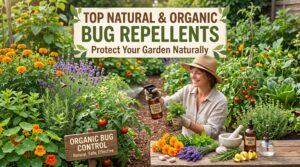
A healthy garden attracts more than just gardeners, it also attracts insects looking for an easy meal. While some insects are beneficial, others can quickly damage vegetables, herbs, flowers, and fruit plants. Many gardeners turn to chemical pesticides for fast results, but these products can harm pollinators, contaminate edible crops, and negatively affect soil health.
Fortunately, there are safer and more sustainable alternatives. Natural bug repellents and organic insect repellents can help protect your plants while maintaining a healthy garden ecosystem. Whether you’re growing tomatoes in raised beds or maintaining a backyard flower garden, natural pest control methods offer effective protection without relying on harsh chemicals.
In this guide, you’ll discover the best natural bug repellents, learn how they work, and find practical ways to keep garden pests under control naturally.
Why Choose Natural and Organic Bug Repellents?
The main advantage of organic gardening solutions is that they work with nature rather than against it. Unlike synthetic pesticides, natural repellents focus on deterring pests while minimizing harm to beneficial insects and the environment.
Benefits include:
- Safe for children and pets when used correctly.
- Protect pollinators such as bees and butterflies.
- Reduce chemical residues on fruits and vegetables.
- Improve long-term soil health.
- Support sustainable gardening practices.
- Often cost less than commercial pesticides.
Natural pest control for plants also encourages gardeners to create balanced ecosystems where beneficial insects help manage pest populations naturally.
Common Garden Pests That Damage Plants
Before choosing a treatment, it is important to identify the pest causing the problem.
Aphids
These tiny insects cluster on stems and leaves, sucking plant sap and weakening growth. They commonly attack roses, peppers, cucumbers, and tomatoes.
Caterpillars
While butterflies are welcome visitors, their larvae can quickly devour leaves and young plants.
Whiteflies
Whiteflies gather underneath leaves and feed on plant juices. Infested plants often develop yellowing foliage and reduced growth.
Spider Mites
These microscopic pests create fine webs and cause leaves to become speckled and discolored.
Slugs and Snails
Slugs and snails are notorious for chewing large holes in leaves, especially during wet conditions.
Beetles
Various beetle species feed on leaves, flowers, and roots, causing significant damage if left untreated.
Early detection is one of the most effective forms of garden pest control. Regular inspections help stop infestations before they become severe.
Top Natural and Organic Bug Repellents for Gardens
Neem Oil
Neem oil is one of the most trusted organic insect repellents available. Extracted from the neem tree, it disrupts insect feeding and reproduction cycles without causing major harm to beneficial insects when applied properly.
Best for:
- Aphids
- Whiteflies
- Spider mites
- Mealybugs
Application Tip:
Mix neem oil according to label instructions and spray during the early morning or evening to avoid leaf burn.
Diatomaceous Earth
Diatomaceous earth is a fine powder made from fossilized aquatic organisms. While harmless to humans and pets, it damages the protective outer layer of many crawling insects.
Effective against:
- Ants
- Beetles
- Slugs
- Earwigs
Sprinkle a thin layer around vulnerable plants and reapply after rain.
Garlic Spray
Garlic contains sulfur compounds that many insects find unpleasant. A homemade garlic spray can help deter a wide range of garden pests.
Benefits:
- Affordable
- Easy to make
- Safe for edible crops
Many gardeners use garlic spray as a preventive treatment rather than waiting for an infestation to occur.
Chili Pepper Spray
The strong compounds found in hot peppers irritate many insects and discourage feeding.
Works well against:
- Aphids
- Caterpillars
- Beetles
Always wear gloves when preparing and applying pepper-based sprays.
Insecticidal Soap
Insecticidal soaps work by breaking down the outer layer of soft-bodied insects.
Most effective against:
- Aphids
- Whiteflies
- Spider mites
- Thrips
For best results, spray directly onto the pests rather than the surrounding area.
Essential Oil Sprays
Several essential oils possess natural insect-repelling properties.
Popular choices include:
- Peppermint oil
- Rosemary oil
- Eucalyptus oil
- Lemongrass oil
These oils can be diluted with water and applied as part of an integrated pest management routine.
Companion Planting
One of the most overlooked organic gardening solutions is strategic planting.
Certain plants naturally repel pests while attracting beneficial insects.
Examples include:
- Marigolds near tomatoes
- Basil near peppers
- Nasturtiums near cucumbers
- Dill near cabbage crops
Companion planting creates a natural defense system that reduces pest pressure throughout the growing season.
Coffee Grounds
Used coffee grounds can help deter certain pests while improving soil quality.
Gardeners often place coffee grounds around plants to discourage:
- Slugs
- Snails
- Some crawling insects
While not a complete solution, coffee grounds can be a useful addition to a broader pest management strategy.
Best Plants That Naturally Repel Garden Pests
Nature already provides some of the most effective pest control tools.
Marigolds
Marigolds release compounds that help deter nematodes and other harmful insects. Their bright flowers also attract pollinators.
Basil
Basil helps repel flies, mosquitoes, and certain garden pests while providing a delicious culinary herb.
Lavender
Known for its pleasant fragrance, lavender naturally discourages moths, fleas, and mosquitoes.
Mint
Mint’s strong scent can help repel ants and various chewing insects.
Rosemary
Rosemary works particularly well around vegetable gardens and helps deter cabbage moths and bean beetles.
Chrysanthemums
These flowers contain pyrethrins, natural compounds used in many organic insect control products.
Including these plants throughout your garden can significantly strengthen your natural pest defense system.
DIY Organic Bug Repellent Recipes You Can Make at Home
Homemade Garlic and Pepper Spray
Ingredients:
- 1 garlic bulb
- 2 hot peppers
- 4 cups water
Instructions:
- Blend garlic and peppers with water.
- Let the mixture sit overnight.
- Strain thoroughly.
- Pour into a spray bottle.
- Apply to affected plants weekly.
Neem Oil Spray Recipe
Ingredients:
- 1 teaspoon neem oil
- 1 teaspoon mild liquid soap
- 1 quart water
Instructions:
- Mix all ingredients thoroughly.
- Shake before use.
- Spray leaves, including undersides.
- Apply every 7 to 14 days.
Essential Oil Garden Spray
Ingredients:
- 10 drops peppermint oil
- 10 drops rosemary oil
- 2 cups water
Instructions:
- Combine ingredients in a spray bottle.
- Shake well before each use.
- Spray around vulnerable plants.
Tips for Using Organic Bug Repellents Effectively
Even the best natural bug repellent works better when used correctly.
Follow these best practices:
- Apply treatments early in the morning or evening.
- Test sprays on a small section of the plant first.
- Reapply after heavy rainfall.
- Rotate different pest control methods.
- Monitor plants regularly for signs of infestation.
- Focus on prevention rather than treatment alone.
Consistency often produces better results than aggressive, one-time applications.
Common Mistakes to Avoid When Using Natural Pest Control
Many gardeners unknowingly reduce the effectiveness of their pest control efforts.
Avoid these mistakes:
- Applying sprays during hot midday temperatures.
- Using excessive amounts of natural treatments.
- Ignoring beneficial insects such as ladybugs.
- Waiting until infestations become severe.
- Relying on only one pest control method.
Successful organic gardening relies on combining multiple strategies for long-term protection.
How to Create a Long-Term Organic Pest Management Plan
The healthiest gardens rarely suffer major pest outbreaks.
Build a stronger garden by:
- Improving soil with compost and organic matter.
- Watering consistently to reduce plant stress.
- Rotating crops each season.
- Removing diseased plant material promptly.
- Encouraging beneficial insects.
- Diversifying plant species throughout the garden.
Healthy plants naturally resist pests better than weak or stressed plants.
Benefits of Organic Pest Control for Your Garden and Environment
Choosing natural pest control for plants provides benefits that extend beyond your garden beds.
Long-term advantages include:
- Healthier fruits and vegetables.
- Improved soil biodiversity.
- Increased populations of pollinators.
- Reduced environmental contamination.
- Lower dependence on synthetic chemicals.
- More sustainable gardening practices.
Over time, these benefits create a healthier and more productive growing environment.

FAQs About Organic Bug Repellents
What is the most effective natural bug repellent for vegetable gardens?
Neem oil is often considered one of the most effective natural bug repellents because it targets a wide range of common garden pests while remaining suitable for organic gardening.
Are organic bug repellents safe for pets and children?
Most organic insect repellents are safer than synthetic pesticides when used according to instructions. However, always store products safely and follow application guidelines.
How often should I apply natural bug repellents?
Most treatments should be applied every 7 to 14 days and after heavy rainfall for consistent protection.
Can natural bug repellents completely eliminate pests?
The goal of natural pest control is usually management rather than complete elimination. Maintaining a balanced ecosystem often produces the best results.
Which plants naturally keep insects away from gardens?
Marigolds, basil, rosemary, lavender, mint, and chrysanthemums are among the most effective pest-repelling plants.
Conclusion
Protecting your garden does not require harsh chemicals. By using proven natural bug repellents, companion planting techniques, and organic gardening solutions, you can successfully manage pests while preserving the health of your plants, soil, and surrounding environment.
Whether you choose neem oil, garlic spray, essential oils, or pest-repelling plants, the key is consistency and prevention. A well-maintained organic garden becomes naturally resilient over time, reducing pest problems and producing healthier harvests season after season.
Start with one or two of these methods today, and you’ll be well on your way to creating a thriving, chemical-free garden that works in harmony with nature.
For more such insightful tips, keep visiting Organic Gardening Oasis!
