Safe and Effective Organic Gardening Pest Control Solutions
A thriving garden can quickly become stressful when pests start attacking your plants. One day your vegetables look healthy, and the next day you notice damaged leaves, weak stems, or missing crops. Many gardeners immediately turn to chemical pesticides, but these products can harm beneficial insects, affect soil quality, and create an unhealthy environment.
The good news is that you can protect your garden naturally. Organic pest control methods offer safe and effective ways to manage insects while keeping your plants, family, pets, and the environment protected.
Whether you are growing vegetables, herbs, flowers, or fruits, using the right organic gardening pest control techniques can help you maintain a healthier garden. In this guide, you will discover natural solutions, prevention methods, and simple remedies that actually work.
Why Organic Pest Control Is a Better Choice for Your Garden

Organic gardening is not about removing every insect from your garden. It is about creating balance between plants, helpful insects, and the environment. Many pests appear because of weak plants, unhealthy soil, or an unbalanced ecosystem.
Using eco friendly pest control methods helps you:
- Protect vegetables and fruits from harmful chemicals
- Maintain healthy soil
- Encourage beneficial insects
- Create a safer environment for children and pets
- Support long-term plant growth
Common Garden Pests and How to Identify Them
Before choosing a pest control method, it is important to know what type of pest is damaging your plants. Different insects require different solutions.
Aphids are among the most common garden pests. These tiny insects gather on the underside of leaves and new plant growth, where they suck plant juices. They can cause curled leaves, yellowing, and slow growth. Tomatoes, roses, peppers, and leafy greens are often affected.
Caterpillars can also cause serious damage because they eat large sections of leaves. If you notice large holes, missing leaves, or small droppings around plants, caterpillars may be the problem.
Other common pests include whiteflies, spider mites, slugs, and snails. Whiteflies usually appear under leaves and weaken plants by feeding on their sap. Spider mites create tiny webs and cause leaves to develop yellow spots. Slugs and snails are usually active at night and leave holes or slime trails on plants.
Identifying the pest early allows you to choose the right natural solution before the damage becomes severe.
Effective Organic Gardening Pest Control Solutions That Work
There are many natural ways to protect your plants without using harsh chemicals. The best approach depends on the type of pest and the level of infestation.
Neem Oil: A Popular Natural Garden Pesticide
Neem oil is one of the most widely used natural garden pesticides. It comes from neem tree seeds and works by interrupting the feeding and reproduction cycle of many harmful insects.
It is effective against:
- Aphids
- Whiteflies
- Spider mites
- Some caterpillars
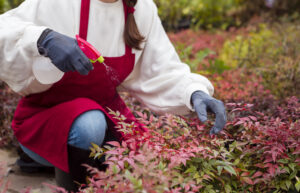
To use neem oil, mix it with water and a small amount of mild soap, then spray it on affected leaves. Apply it during early morning or evening to avoid harming beneficial insects.
Homemade Organic Pest Sprays
Many effective pest control solutions can be made using simple ingredients found at home.
Garlic and Chili Spray
Garlic and chili peppers contain natural compounds that repel many insects. A simple spray can be made by blending garlic and chili peppers with water, allowing the mixture to sit overnight, and spraying it on affected plants.
Soap Spray
A mild soap spray can help control soft-bodied insects such as aphids and whiteflies.
A simple mixture includes:
- 1 teaspoon mild liquid soap
- 1 liter of water
Always test homemade sprays on a small part of the plant before applying them widely.
Diatomaceous Earth for Crawling Insects
Diatomaceous earth is a natural powder that can help control crawling pests such as slugs, ants, and beetles. It works by damaging the protective outer layer of insects.
For best results:
- Apply around the base of plants
- Reapply after rainfall
- Avoid breathing in the dust during application
Using Beneficial Insects as Natural Pest Control
A healthy garden is home to both plants and insects. Some insects actually help protect your garden by eating harmful pests.
Ladybugs are one of the best examples. They consume large numbers of aphids and help keep pest populations under control. Lacewings also feed on soft-bodied insects, while parasitic wasps naturally reduce populations of caterpillars and other pests.
Instead of removing all insects from your garden, encourage helpful ones by planting flowers, avoiding chemical sprays, and creating a diverse garden environment.
Natural Ways to Prevent Garden Pest Problems
Prevention is one of the most important parts of organic garden care. Healthy plants are naturally stronger and more resistant to pests.
Follow these simple practices:
- Remove dead leaves and damaged plant parts regularly
- Add compost to improve soil health
- Water plants properly without overwatering
- Rotate crops each season
- Check plants weekly for early signs of pests
Small problems are much easier to control before they become large infestations.
Organic Pest Control Tips for Vegetable Gardens
Vegetable gardens need special attention because the produce is consumed directly.
Tomatoes often attract aphids, hornworms, and whiteflies. Using neem oil, encouraging beneficial insects, and planting companion plants like basil can help protect them.
Leafy greens are commonly affected by slugs, caterpillars, and aphids. Regular inspection, hand removal, and natural sprays can keep these pests under control.
For cucumbers and peppers, common problems include beetles and spider mites. Maintaining healthy soil and using organic treatments early can prevent major damage.
Common Mistakes to Avoid When Using Organic Pest Control
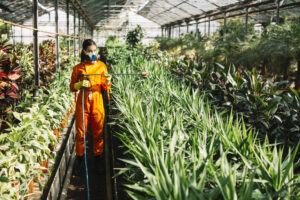
Even natural methods can become ineffective when used incorrectly.
Avoid these common mistakes:
- Treating plants without identifying the pest
- Applying too much natural spray
- Spraying during strong sunlight
- Ignoring beneficial insects
- Waiting too long before taking action
FAQs for Organic Pest Control
What is the most effective organic pest control method?
The best method depends on the pest problem. Neem oil, insecticidal soap, homemade sprays, and beneficial insects are some of the most effective organic pest control solutions.
Are natural garden pesticides safe for vegetables?
Yes, many natural garden pesticides are safe for edible plants when applied correctly. Always follow recommended usage instructions and avoid excessive application.
How often should organic pest control treatments be applied?
Most treatments need to be repeated after rain or every one to two weeks during active pest problems. Regular monitoring helps determine when treatment is needed.
Conclusion
Maintaining a healthy garden does not require harmful chemicals. With the right organic gardening pest control strategies, you can protect your plants naturally while supporting a healthier environment.
From neem oil and homemade sprays to beneficial insects and prevention techniques, these eco friendly pest control solutions can help you grow stronger plants and enjoy a better harvest.
Successful organic garden care is about understanding your garden, working with nature, and choosing safe solutions that create long-lasting results.
