A Complete Guide to Growing Your Own Organic Harvest Garden at Home
Growing your own organic harvest garden at home is a rewarding way to enjoy fresh, healthy food while having complete control over how it’s grown. When I started my organic garden, I quickly discovered that gardening offers benefits beyond saving money, it helps you reconnect with nature and enjoy the satisfaction of harvesting your own produce.
The best part is that you don’t need a large backyard or expensive equipment. With the right approach, even a small patio or sunny balcony can become a thriving organic garden.
Why Start an Organic Harvest Garden?
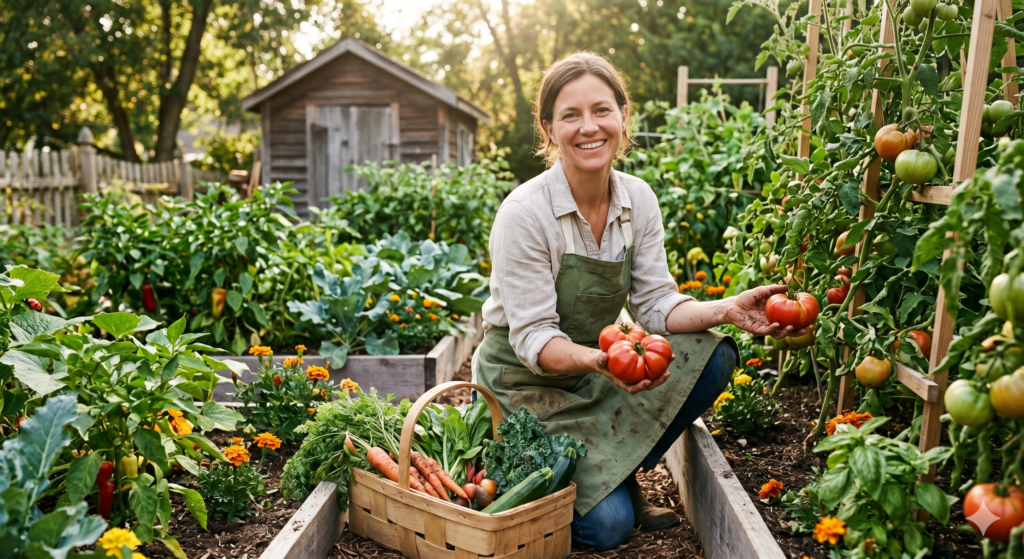
One of the main reasons I decided to grow my own food was the desire to know exactly what was going into it. Store-bought vegetables often travel hundreds or even thousands of miles before reaching your plate. While many are perfectly safe, homegrown organic produce offers a level of freshness that’s impossible to match.
The flavor difference alone can be remarkable. The first time I harvested tomatoes from my garden, I understood why gardeners are so passionate about growing their own food. The tomatoes were sweeter, juicier, and far more flavorful than anything I had purchased from a supermarket.
Beyond taste, organic gardening eliminates the need for synthetic pesticides and chemical fertilizers. Instead, you rely on natural methods that support healthy soil, beneficial insects, and sustainable food production. Over time, this creates a thriving ecosystem where plants become stronger and more productive naturally.
Choosing the Right Location
The success of your organic harvest garden begins with location. This is one of the most important decisions you’ll make because even the healthiest soil and best seeds cannot compensate for poor growing conditions.
Most vegetables require at least six to eight hours of direct sunlight each day. Before planting anything, spend a few days observing your available space and tracking sunlight patterns. Areas that receive consistent morning and afternoon sun typically perform best.
When I started my first garden, I chose a spot that looked ideal but received far less sunlight than I realized. The plants survived, but they struggled to produce. Moving the garden to a sunnier location the following season dramatically improved growth and yields.
If you don’t have a backyard, don’t let that discourage you. Many vegetables thrive in containers, raised beds, and vertical gardening systems. Even a small balcony can produce herbs, lettuce, peppers, and tomatoes when properly managed.
[IMAGE: Home Organic Vegetable Garden]
Building Healthy Soil for Better Harvests
If there’s one lesson I’ve learned from years of gardening, it’s that healthy soil is everything. New gardeners often focus on plants, seeds, and fertilizers while overlooking the soil itself. In reality, soil is the foundation upon which every successful harvest depends.
Organic gardening starts with feeding the soil rather than feeding the plants directly. Rich soil contains beneficial microorganisms, earthworms, organic matter, and nutrients that plants can access naturally.
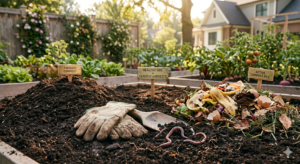
One of the best investments I ever made was creating a compost pile. Kitchen scraps, leaves, grass clippings, and other organic materials gradually break down into nutrient-rich compost that transforms ordinary soil into a fertile growing medium. Each season, I mix compost into my garden beds before planting, and the results continue to improve year after year.
If your soil feels hard, compacted, or lifeless, adding compost, aged manure, worm castings, or leaf mold can make a significant difference. Healthy soil retains moisture more effectively, supports stronger root development, and reduces the need for additional fertilizers.
[IMAGE: Rich Organic Garden Soil and Compost]
Selecting the Best Crops for Your Organic Garden
One mistake many beginners make is trying to grow everything at once. I certainly did. During my first season, I planted more varieties than I could realistically manage. While some crops thrived, others received less attention and struggled.
Starting with a handful of reliable vegetables is usually the smartest approach. Tomatoes, lettuce, spinach, cucumbers, beans, carrots, and peppers are all excellent choices for beginners. These crops are productive, relatively easy to grow, and provide a steady harvest throughout the growing season.
Herbs are another fantastic option. Basil, parsley, cilantro, rosemary, thyme, and mint require minimal space and offer tremendous value in the kitchen. Once I began growing herbs at home, I almost stopped buying them from grocery stores altogether.
Choosing vegetables that your family actually enjoys eating is equally important. It sounds obvious, but many gardeners grow crops simply because they’re popular rather than because they’ll use them. Focus on foods you regularly consume, and your garden will provide far greater value.
Starting from Seeds or Seedlings
A common question among new gardeners is whether they should start with seeds or purchase young plants. Both options have advantages, and I typically use a combination of the two.
Seeds are more affordable and provide access to a wider variety of plants. Watching a tiny seed develop into a productive vegetable plant is also incredibly satisfying. However, seeds require patience and proper care during the early stages.
Seedlings offer a head start and are often easier for beginners. Crops like tomatoes, peppers, and eggplants can benefit from being purchased as young plants, especially if you’re gardening in a region with a shorter growing season.
Over time, I became more comfortable starting many plants from seed, but I still purchase a few seedlings each year to simplify the process and speed up production.
Watering and Feeding Your Garden Naturally
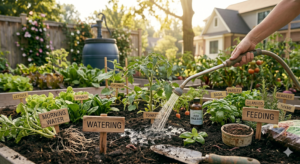
Proper watering is one of the most important skills an organic gardener can develop. Surprisingly, overwatering causes as many problems as underwatering.
Early in my gardening journey, I assumed more water meant healthier plants. Instead, I ended up with yellowing leaves, weak growth, and occasional disease problems. Eventually, I learned that deep, consistent watering works far better than frequent shallow watering.
Most vegetables prefer soil that remains consistently moist but never waterlogged. Watering early in the morning allows plants to absorb moisture before the heat of the day while reducing the risk of fungal diseases.
Organic fertilizers also play an important role in maintaining healthy growth. Compost remains my favorite option because it improves both soil structure and nutrient availability. Throughout the growing season, I occasionally supplement with worm castings, fish emulsion, or seaweed extract to provide additional nutrients when plants need them most.
Managing Weeds and Pests Naturally
One of the biggest misconceptions about organic gardening is that it means accepting constant pest problems. While insects and weeds are inevitable, they can be managed effectively without resorting to harsh chemicals.
Mulch has become one of my most valuable gardening tools. Applying a layer of straw, shredded leaves, or compost around plants helps suppress weeds, conserve moisture, and improve soil health. Since adopting a consistent mulching routine, I’ve spent significantly less time pulling weeds.
Pest management works best when approached proactively. Healthy plants naturally resist many problems, and encouraging beneficial insects can dramatically reduce pest populations. Ladybugs, lacewings, and pollinators all contribute to a balanced garden ecosystem.
Companion planting has also produced positive results in my garden. Flowers such as marigolds attract beneficial insects while helping deter certain pests. Herbs like basil and dill serve a similar purpose while adding beauty and diversity to the garden.
When pest outbreaks occur, organic solutions such as neem oil or insecticidal soap can often resolve the issue without harming beneficial organisms.
Harvesting for Maximum Production
Harvesting at the right time can significantly increase both quality and productivity. Many vegetables continue producing when harvested regularly, making frequent picking an important part of garden maintenance.
Lettuce can be harvested leaf by leaf, allowing the plant to continue growing. Beans and cucumbers become more productive when picked consistently. Herbs respond similarly, producing fresh growth after each harvest.
One of the most satisfying moments in gardening is collecting fresh vegetables that you’ve nurtured from seed to harvest. The first harvest is exciting, but the ongoing harvests throughout the season are what truly make home gardening worthwhile.
I often walk through my garden in the early morning with a basket, gathering tomatoes, herbs, peppers, and greens for the day’s meals. That simple routine has become one of my favorite parts of gardening.
Common Mistakes to Avoid
Every gardener makes mistakes, and I certainly made my share. Looking back, most of my challenges came from trying to do too much too quickly.
Planting too many crops at once often leads to maintenance issues and overwhelm. Starting small allows you to develop skills gradually while building confidence.
Poor soil preparation is another common mistake. Investing time in soil health before planting almost always pays off with stronger growth and larger harvests.
Overwatering, overcrowding plants, neglecting mulch, and ignoring sunlight requirements are other issues that frequently affect beginners. Fortunately, these mistakes are easy to correct once you understand the basics of organic gardening.
My Experience Growing an Organic Harvest Garden at Home
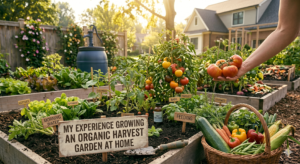
When I first started growing vegetables organically, my goal was simply to produce a few fresh ingredients for the kitchen. What I didn’t expect was how much I would enjoy the entire process. Gardening became a daily habit, a learning experience, and eventually a source of pride.
Each season taught me something new. Some crops exceeded expectations, while others struggled. Certain techniques worked wonderfully, while others required adjustment. That’s part of the beauty of gardening—there is always something new to learn.
Today, my organic harvest garden provides a steady supply of vegetables, herbs, and seasonal produce for much of the year. More importantly, it has changed the way I think about food and where it comes from. Growing your own food creates a connection to the natural world that simply can’t be replicated through grocery shopping.
Frequently Asked Questions
How much space do I need to start an organic harvest garden?
You can start with just a few containers on a patio or balcony. Even a small space can produce herbs, lettuce, tomatoes, and other vegetables.
What are the easiest vegetables to grow organically?
Tomatoes, lettuce, spinach, beans, cucumbers, radishes, and peppers are excellent choices for beginners.
How often should I water my organic garden?
Most gardens require about one to two inches of water per week, though weather and soil conditions may affect this amount.
Is organic gardening expensive?
Initial setup costs can vary, but organic gardening often becomes more affordable over time, especially if you make your own compost and save seeds.
Can I grow vegetables in containers?
Yes. Many vegetables thrive in containers, making them ideal for balconies, patios, and small outdoor spaces.
What is the best organic fertilizer?
Compost is widely considered the best all-purpose organic fertilizer because it improves soil health while supplying essential nutrients.
Conclusion
Growing your own organic harvest garden at home is a rewarding way to enjoy fresh, healthy produce while becoming more connected to the food you eat. From choosing the right location to maintaining healthy soil, every step helps create a productive and sustainable garden.
In my experience, success comes down to starting small, staying consistent, and focusing on organic practices. With a little patience and care, even a small space can provide an impressive harvest of homegrown fruits, vegetables, and herbs.
To learn more, keep visiting the best organic gardening blog.
