Herb Gardening for Beginners: An Organic Approach
Embarking on herb gardening isn’t just a hobby; it’s a gateway to a world of fresh flavors and a step towards a greener, healthier lifestyle.
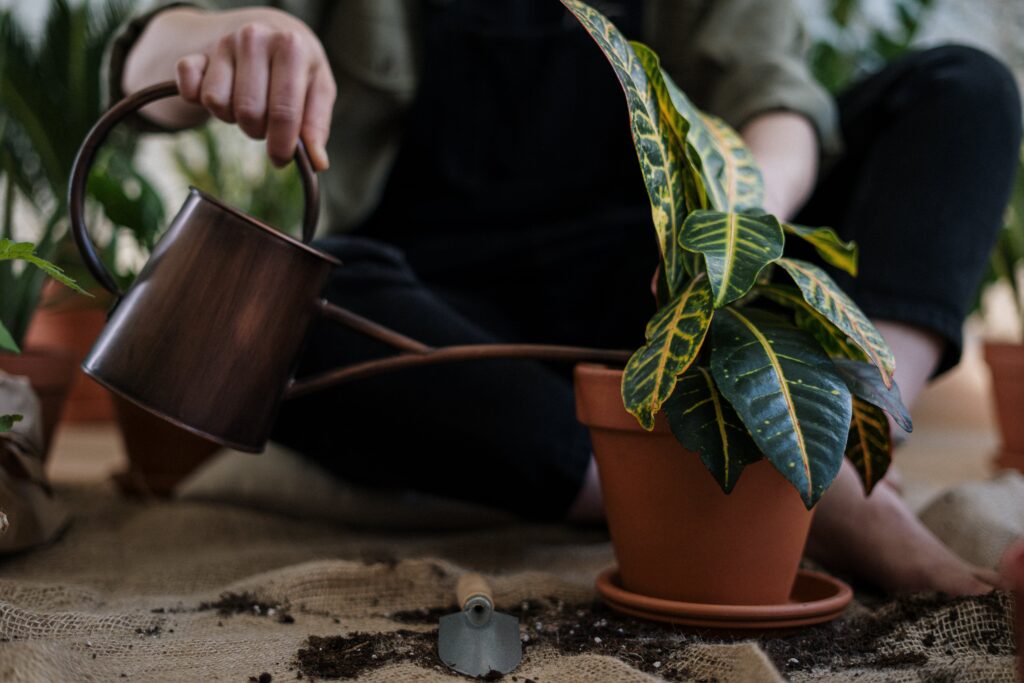
Interestingly, a University of Michigan study found that gardening can significantly boost mood, more so than other leisure activities. In this guide, “Herb Gardening for Beginners: An Organic Approach,” we’ll simplify the art of growing herbs organically.
Whether your space is a vast garden or a cozy balcony, this guide is your ticket to a flourishing herb paradise. So, are you ready to spice up your cooking and well-being with your very own herb garden?
Selecting the Right Herbs for Your Garden: Tips for Beginners
Herbs are the crown jewels of any garden, adding flavor to your dishes, fragrance to the air, and a touch of greenery to your surroundings. Whether you’re a seasoned gardener or a beginner with a green thumb waiting to sprout, selecting the right herbs is the first step towards cultivating a thriving herb garden.
In this guide, we’ll introduce you to a list of easy-to-grow herbs, share tips for choosing herbs based on culinary preferences and gardening space, and empower you to embark on your herb-growing journey with confidence.
List of Easy-to-Grow Herbs for Beginners In Herb Gardening
Before you dig into the soil and begin your herb garden adventure, it’s essential to select herbs that are forgiving and well-suited for beginners. Here’s a curated list of herbs that are known for their adaptability and ease of cultivation:
1. Basil
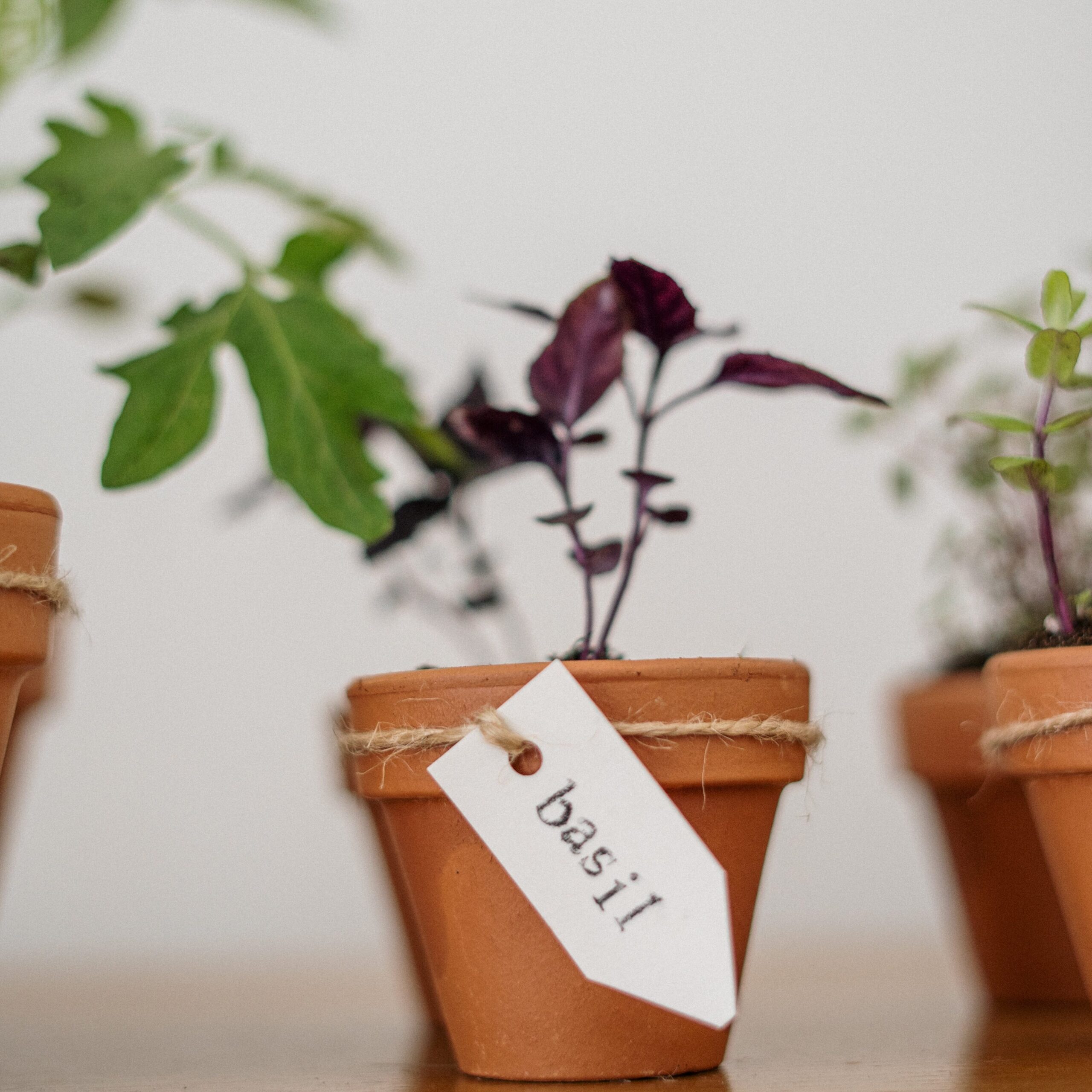
Basil is a versatile herb with a delightful aroma and a distinctive flavor. It’s a staple in Italian cuisine and pairs beautifully with tomatoes, pasta, and pizza. Basil thrives in warm, sunny conditions and is relatively low-maintenance. It can be grown in garden beds or containers.
2. Chives
Chives are a mild, onion-flavored herb that adds a pleasant kick to your dishes. They’re excellent for garnishing salads, baked potatoes, and soups. Chives are resilient and can thrive in various growing conditions. You can grow them in small containers or outdoor beds.
3. Cilantro
Cilantro is a popular herb in Mexican, Indian, and Thai cuisines. Its bright, citrusy flavor enhances salsas, curries, and soups. Cilantro prefers cooler weather, so it’s an excellent choice for early spring or fall planting. It can be grown in containers or garden beds.
4. Lemon Balm
Lemon balm is known for its lemony aroma and mild citrus flavor. It’s perfect for herbal teas, desserts, and salads. Lemon balm thrives in partial shade, making it suitable for areas with less direct sunlight. This herb can be grown in containers or garden beds.
5. Mint
Mint is a fragrant herb famous for its invigorating scent and refreshing taste. It’s commonly used in beverages like mint tea and mojitos, as well as in desserts and savory dishes. However, mint can be invasive, so it’s best grown in containers to prevent it from spreading uncontrollably.
6. Oregano
Oregano is a fragrant herb essential in Mediterranean cuisine. It complements tomato-based dishes, pizza, and grilled meats perfectly. Oregano prefers well-drained soil and full sun, making it an excellent choice for outdoor garden beds.
7. Rosemary
Rosemary is an aromatic herb with needle-like leaves that add a bold flavor to roasted meats, bread, and roasted vegetables. This herb thrives in well-drained soil and full sun. It’s a hardy herb that can become a beautiful woody shrub with time.
8. Parsley
Parsley is a versatile herb used for garnishing and flavoring a wide range of dishes. It can be grown in both containers and garden beds, and it prefers moist, well-drained soil. Parsley is a cool-season herb and can be grown throughout the year.
Tips for Choosing Herbs Based on Culinary Preferences and Herb Gardening Space
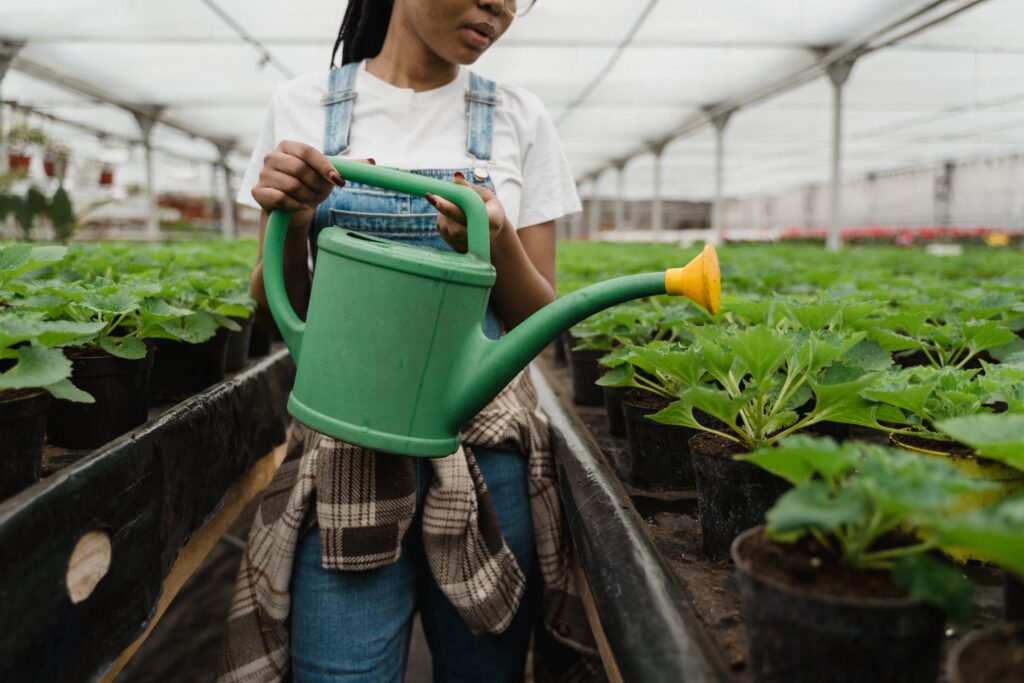
Selecting the right herbs for your garden involves considering your culinary preferences and the available gardening space. Here are some essential tips to guide you in making the perfect herb choices:
1. Align with Your Culinary Preferences
One of the most satisfying aspects of growing herbs is having fresh, homegrown ingredients at your fingertips. To make the most of your herb garden, consider the types of dishes you enjoy cooking. Here’s how to align your herb choices with your culinary preferences:
Italian Cuisine: If you love preparing Italian dishes like pasta, pizza, and bruschetta, basil and oregano are must-have herbs. Their aromatic leaves add a burst of flavor that’s synonymous with Italian cuisine.
Mexican Cuisine: For enthusiasts of Mexican cuisine, cilantro is an essential herb. Its fresh and zesty flavor enhances salsas, tacos, and guacamole.
Herbal Teas and Desserts: If you’re a fan of herbal teas and desserts, consider mint and lemon balm. These herbs infuse your beverages and sweets with delightful aromas and tastes.
Mediterranean Flavors: Lovers of Mediterranean flavors will appreciate the versatility of rosemary and parsley. These herbs complement dishes like grilled lamb, roasted vegetables, and tabbouleh.
2. Evaluate Your Gardening Space For The Herb Garden
The available gardening space is another crucial factor in herb selection. Herbs can be grown in various settings, from outdoor garden beds to containers, vertical gardens, and planter boxes. Here’s how to match your herb choices with your gardening space:
Outdoor Beds: Outdoor beds provide ample space for herbs to grow naturally. They’re ideal for those with larger garden areas. Herbs like rosemary and oregano, which can become substantial shrubs, thrive in these beds. Make sure the soil is well-drained and that the location receives full sun, which is generally at least 6-8 hours of direct sunlight per day.
Containers: Container gardening is perfect for those with limited outdoor space or who want the flexibility to move their herbs around. Herbs like mint and cilantro can flourish in containers. Ensure the containers have proper drainage to prevent waterlogged soil, which can lead to root rot.
Vertical Gardens: Vertical gardens are a space-saving solution that allows you to grow herbs vertically on walls, trellises, or specialized structures. They are an excellent option for small spaces. Herbs like thyme and oregano are well-suited for vertical gardening. These herbs are great for hanging pockets or shelves attached to walls or fences.
Planter Boxes: Planter boxes are versatile and can be placed on patios, decks, or within your garden. They come in various sizes and materials, allowing you to customize your herb garden to fit your space. Herbs like chives and parsley can thrive in planter boxes. Ensure the planter has drainage holes or add them if needed.
Setting Up Your Herb Garden: Options, Soil Preparation, and Planting Guidelines
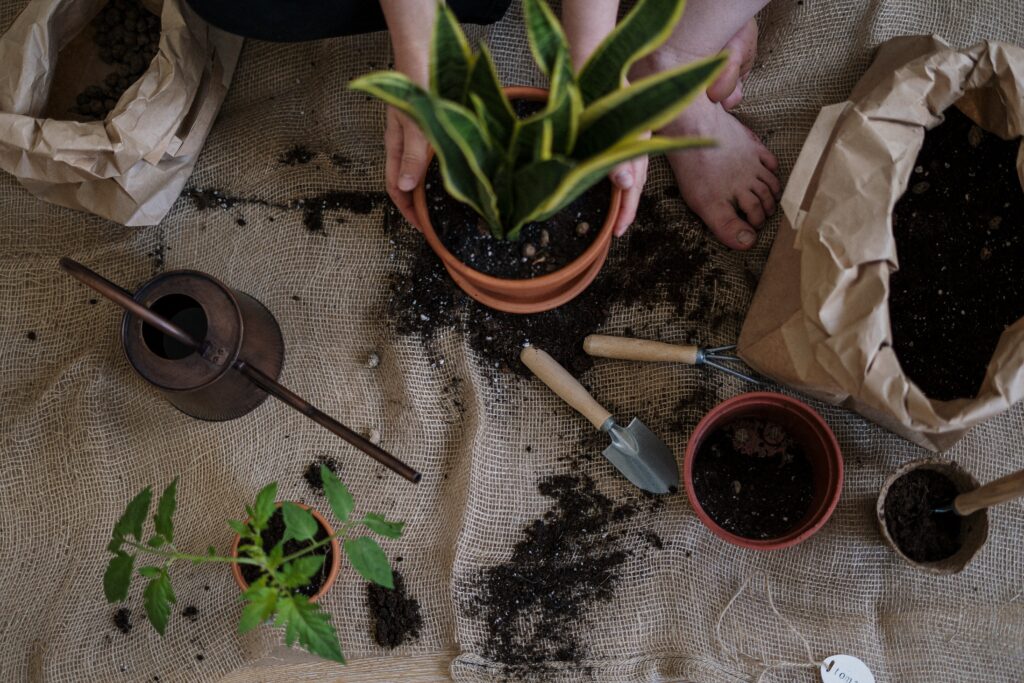
Creating your herb garden is an exciting endeavor that offers not only the convenience of fresh herbs at your fingertips but also the joy of tending to these aromatic and flavorful plants.
In this section, we’ll explore various options for garden spaces, discuss soil preparation and sunlight requirements, and provide planting guidelines for common herbs. By the end of this journey, you’ll be well-equipped to establish a flourishing herb garden tailored to your preferences and space.
Options for Herb Garden Spaces
The first step in setting up your herb garden is deciding where to plant your herbs. Fortunately, herbs are versatile and can be grown in a variety of garden spaces, each with its unique advantages. Here are the most common options:
1. Outdoor Beds For Herb Gardening
Outdoor garden beds are the classic choice for herb gardens. They provide ample space for herbs to spread their roots and grow naturally. Here’s how to make the most of this option:
Soil Preparation: Start by preparing the soil. Herbs thrive in well-drained soil with good organic matter content. Loosen the soil to a depth of 12-18 inches and amend it with compost or aged manure to improve fertility.
Sunlight Requirements: Most herbs prefer full sun, which means at least 6-8 hours of direct sunlight per day. Choose a location in your garden that receives adequate sunlight.
Planting Guidelines: When planting herbs in outdoor beds, follow spacing recommendations based on the specific herbs you’re growing. Typically, herbs should be spaced 12-24 inches apart, depending on their growth habit.
2. Containers For Herb Gardening
Container gardening is an excellent option if you have limited outdoor space or want the flexibility to move your herbs around. Here’s what you need to know:
Soil Preparation: Select a high-quality potting mix designed for container gardening. Ensure the container has proper drainage to prevent waterlogged soil.
Sunlight Requirements: Place your containers in a location that receives at least 6 hours of sunlight per day. You can move the containers to follow the sun if needed.
Planting Guidelines: Choose appropriately sized containers for your herbs, typically 12-18 inches in diameter for most herbs. Be mindful of the number of herbs you place in each container to avoid overcrowding.
3. Vertical Gardens For Herb Gardening
Vertical gardening is an innovative solution for small spaces or for gardeners looking to maximize their vertical space. Such type of gardens can be created using trellises, walls, or specialized structures. Here’s how to get started:
Soil Preparation: Ensure that the vertical garden structure has pockets or containers with well-draining soil. Use a potting mix suitable for your herbs.
Sunlight Requirements: Similar to outdoor beds, most herbs in vertical gardens require 6-8 hours of sunlight. Position your vertical garden where it can receive adequate light.
Planting Guidelines: Choose herbs that are well-suited for vertical growth, such as thyme or oregano. Be mindful of the spacing between herbs to allow for proper air circulation.
4. Planter Boxes For Herb Gardening
Planter boxes offer versatility and can be placed on patios, decks, or within your garden. They come in various sizes and materials, allowing you to customize your herb garden to fit your space. Here’s how to make the most of planter boxes:
Soil Preparation: Fill the planter boxes with a high-quality potting mix or well-draining soil. Ensure the boxes have drainage holes to prevent water accumulation.
Sunlight Requirements: Select a location for your planter boxes that receives sufficient sunlight, ideally 6-8 hours of direct sunlight per day.
Planting Guidelines: Herbs like chives and parsley thrive in planter boxes. Ensure proper spacing between herbs to allow for healthy growth.
Soil Preparation and Sunlight Requirements
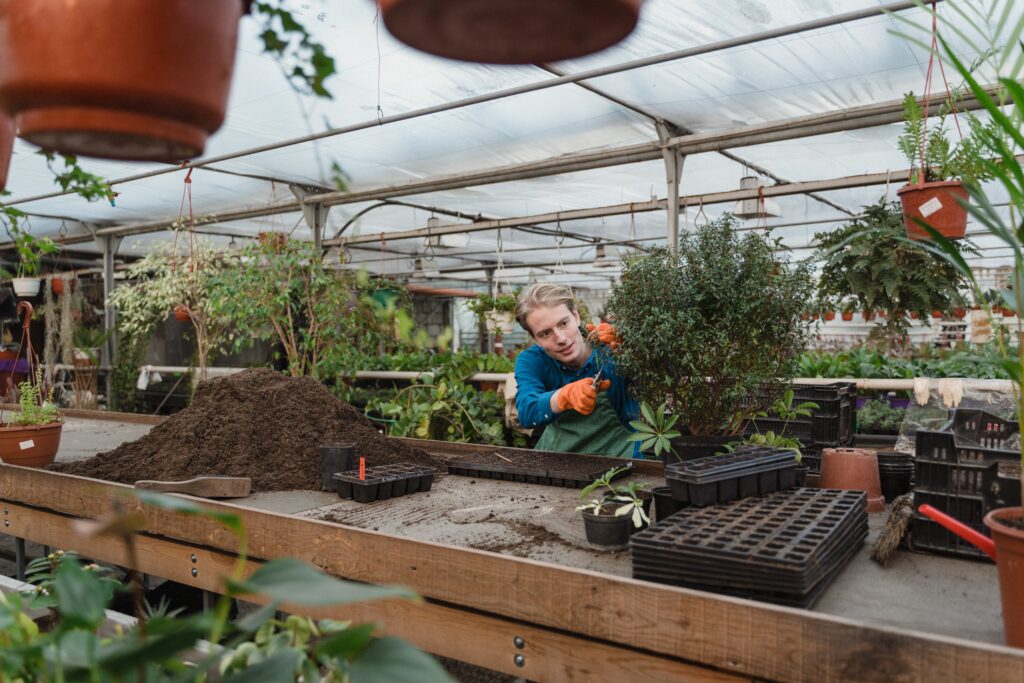
Now that you’ve chosen your garden space, let’s delve deeper into soil preparation and sunlight requirements, two crucial factors for the success of your herb garden:
Soil Preparation
Well-Drained Soil: Herbs prefer well-drained soil to prevent root rot and other issues caused by waterlogged soil. If your garden soil has poor drainage, consider amending it with organic matter like compost or perlite.
pH Levels: Most herbs thrive in soil with a slightly acidic to neutral pH range, typically between 6.0 and 7.0. You can test your soil’s pH and make adjustments as necessary.
Fertility: Herbs benefit from fertile soil. Incorporate organic matter, such as compost or aged manure, into the soil to provide essential nutrients.
Mulching: Apply a layer of organic mulch, such as straw or wood chips, around your herbs to retain soil moisture and suppress weeds.
Sunlight Requirements
Full Sun: While some herbs can tolerate partial shade, most prefer full sun. Ensure that your chosen garden space receives at least 6-8 hours of direct sunlight daily.
South-Facing Exposure: If possible, position your herb garden in a south-facing location to maximize sun exposure throughout the day.
Sunlight Evaluation: Monitor your garden space throughout the day to assess the amount of sunlight it receives. Adjust the placement of your herbs accordingly if they need more or less sun.
Planting Guidelines for Common Herbs
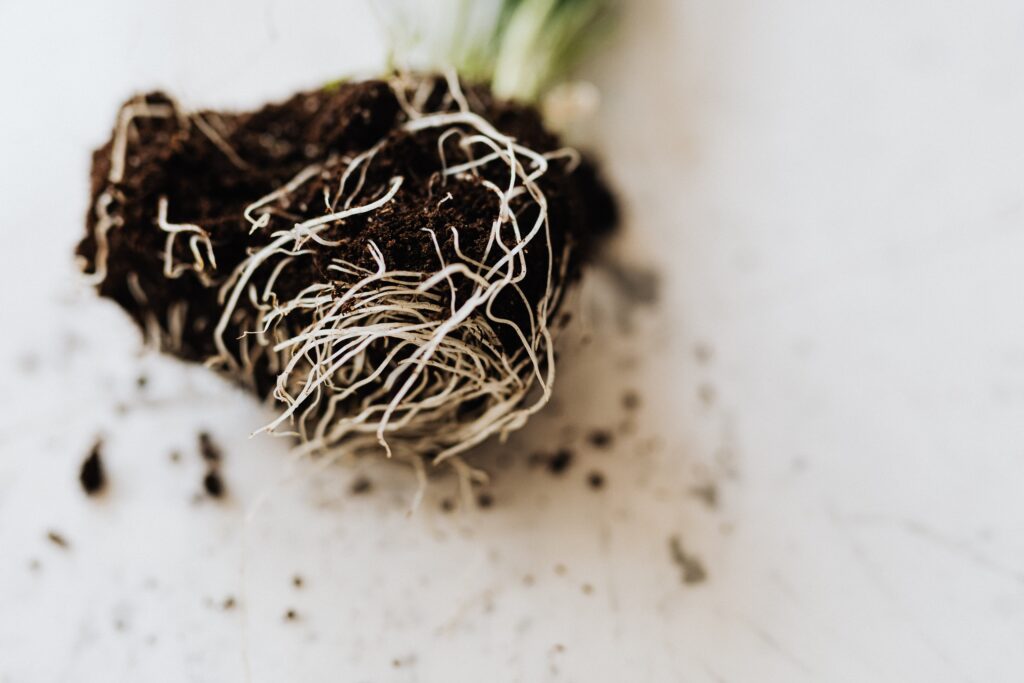
Now that you’ve prepared your soil and evaluated your garden space for sunlight, it’s time to plant your herbs. Here are some planting guidelines for common herbs:
1. Basil
Spacing: Plant basil seeds or seedlings 12-18 inches apart.
Depth: Sow seeds 1/4 inch deep or transplant seedlings at the same depth as their nursery containers.
Watering: Keep the soil consistently moist but not waterlogged.
Harvesting: Pinch off the tips of basil stems to encourage bushy growth and prevent flowering.
2. Chives
Spacing: Plant chive seeds or seedlings 4-6 inches apart.
Depth: Sow seeds 1/4 inch deep or transplant seedlings at the same depth as their nursery containers.
Watering: Chives prefer consistently moist soil.
Harvesting: Snip chive leaves as needed, leaving at least 2 inches of growth to promote regrowth.
3. Cilantro
Spacing: Plant cilantro seeds or seedlings 6-8 inches apart.
Depth: Sow seeds 1/4 inch deep or transplant seedlings at the same depth as their nursery containers.
Watering: Keep the soil consistently moist, especially in hot weather.
Harvesting: Harvest cilantro leaves when they reach the desired size. Cilantro bolts quickly in hot weather, so plan for succession planting.
4. Lemon Balm
Spacing: Plant lemon balm seedlings 12-18 inches apart.
Depth: Transplant seedlings at the same depth as their nursery containers.
Watering: Lemon balm prefers consistently moist soil and can tolerate partial shade.
Harvesting: Harvest lemon balm leaves as needed for teas, desserts, and salads.
5. Mint
Container Planting: Grow mint in containers to prevent its invasive spread.
Soil: Use well-draining potting mix for mint in containers.
Watering: Keep the soil consistently moist but not waterlogged.
Harvesting: Harvest mint leaves as needed for beverages and culinary uses.
6. Oregano
Spacing: Plant oregano seedlings 12-18 inches apart in outdoor beds.
Depth: Transplant seedlings at the same depth as their nursery containers.
Watering: Oregano prefers well-drained soil and can tolerate dry conditions once established.
Harvesting: Harvest oregano leaves when they have sufficient growth.
7. Rosemary
Spacing: Plant rosemary seedlings 24-36 inches apart in outdoor beds.
Depth: Transplant seedlings at the same depth as their nursery containers.
Watering: Rosemary prefers well-drained soil and can tolerate drought once established.
Harvesting: Prune rosemary stems as needed for culinary use.
8. Parsley
Spacing: Plant parsley seeds or seedlings 6-8 inches apart.
Depth: Sow seeds 1/4 inch deep or transplant seedlings at the same depth as their nursery containers.
Watering: Keep the soil consistently moist.
Harvesting: Harvest parsley leaves as needed, starting with the outer leaves.
Growing Herbs from Seeds vs. Buying Plants
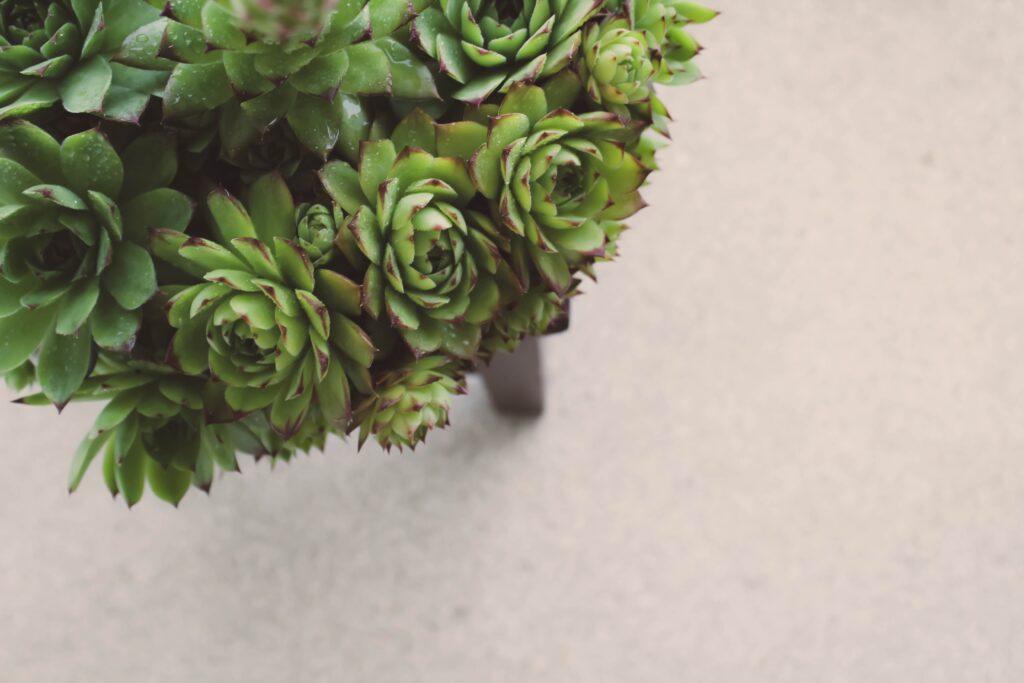
Growing herbs in your garden can be a highly rewarding experience, whether you start from seeds or purchase established plants. Each method has its own set of pros and cons, and understanding these can help you make the best choice for your gardening needs.
Additionally, knowing how to care for your herb garden, including watering, fertilizing, pruning, and propagating through layering, is crucial for a thriving herb garden.
Growing Herbs from Seeds vs. Buying Plants
Pros and Cons of Growing from Seeds
Pros
1. Cost-Effective: Seeds are generally more affordable than established plants. A packet of seeds can yield multiple plants, providing great value for money.
2. Variety: A wider range of herb varieties is available in seed form. This allows gardeners to experiment with different types and cultivars.
3. Learning Experience: Growing from seeds offers a full gardening experience, from germination to maturity. It can be incredibly satisfying to watch your herbs grow from tiny seeds.
4. Control: Starting from seeds gives you complete control over the growing process, including the choice of soil, the timing of planting, and care throughout the plant’s life cycle.
Cons
1. Time and Patience: It takes longer to see the results when starting from seeds. Seeds need time to germinate and grow into mature plants.
2. Initial Care: Seedlings are delicate and require more attention in the early stages, including protection from pests and extreme weather conditions.
3. Germination Rates: Not all seeds will germinate, and there can be variability in the growth and characteristics of the plants that do emerge.
Pros and Cons of Buying Established Plants
Pros
1. Instant Garden: Established plants offer immediate gratification. You can enjoy the look of a mature garden and start using the herbs much sooner.
2. Lower Initial Risk: Established plants are usually more robust and have a higher survival rate as they have already passed the vulnerable seedling stage.
3. Consistency: When you buy an established plant, you have a good idea of what you’re getting in terms of plant size, health, and growth habit.
Cons
1. Higher Cost: Established plants are more expensive than seeds. You pay for the convenience of having a mature plant.
2. Limited Selection: There may be fewer varieties of herbs available as established plants compared to seeds.
3. Less Educational: You miss out on the learning experiences that come with growing plants from seeds.
Step-by-Step Instructions for Sowing Seeds
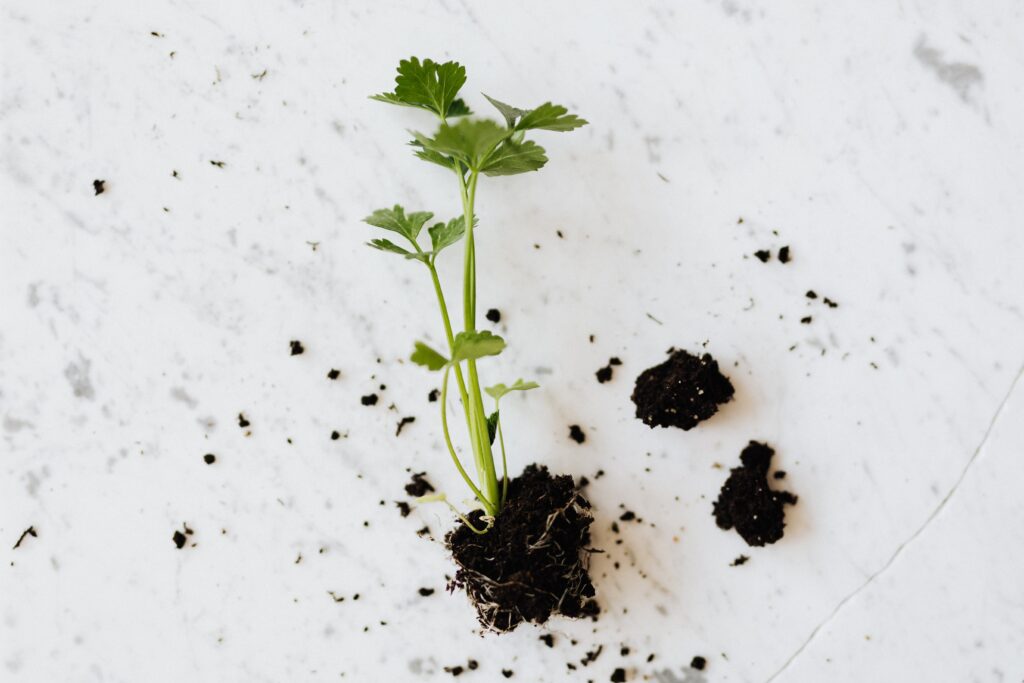
1. Gather Supplies: You will need herb seeds, seed trays or pots, seed-starting mix, labels or markers, and a watering can or spray bottle.
2. Prepare the Seed Trays: Fill the trays or pots with the seed-starting mix, ensuring they have good drainage.
3. Plant the Seeds: Sow the seeds according to the depth and spacing instructions on the seed packet.
4. Label the Trays: Mark each tray with the name of the herb and the sowing date.
5. Water the Seeds: Gently water the seeds, ensuring the soil is moist but not waterlogged.
6. Cover the Trays: Cover the trays with plastic wrap or a clear lid to create a greenhouse effect, which helps with germination.
7. Provide Warmth: Place the trays in a warm area to encourage germination.
8. Monitor for Germination: Keep an eye on the trays and remove the cover once the seedlings emerge.
9. Transplant Seedlings: Once the seedlings are strong enough, transplant them to their final location.
Caring for Your Herb Garden
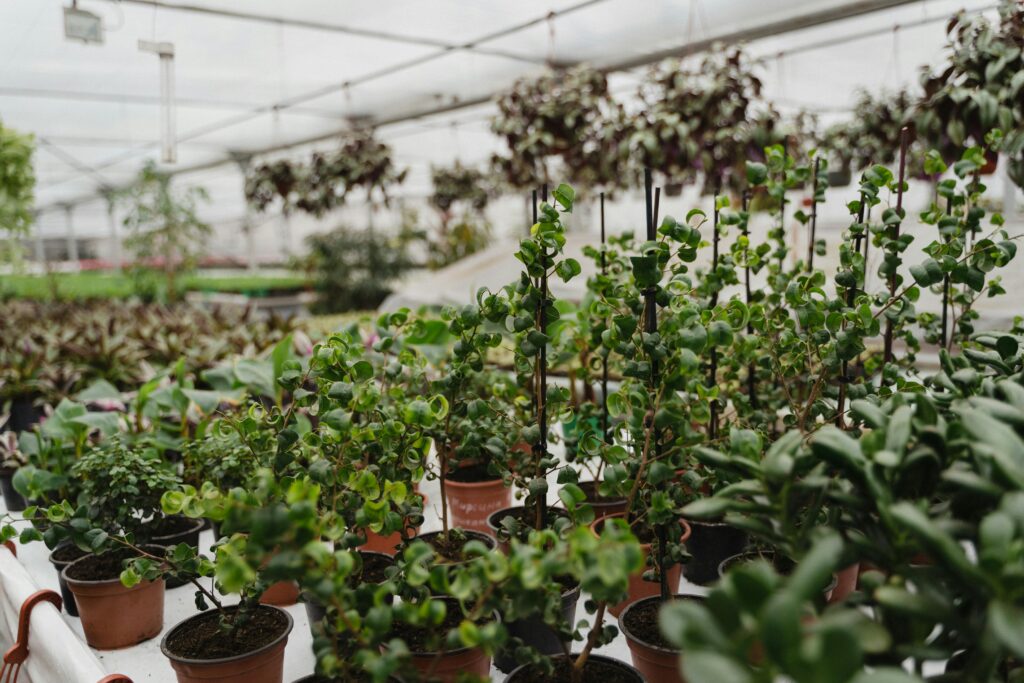
Watering and Fertilizing Tips
Watering: Herbs generally prefer well-drained soil and should be watered when the soil feels dry to the touch. Avoid overwatering, as this can lead to root rot.
Fertilizing: Most herbs do not require a lot of fertilizers. A light application of a balanced, organic fertilizer in the early growing season can be beneficial.
Techniques for Pruning and Controlling Herb Growth
Pruning: Regular pruning helps to encourage bushier growth and prevent herbs from becoming leggy. Always prune by cutting just above a leaf node.
Controlling Growth: Some herbs, like mint, can be invasive. Plant these herbs in containers to prevent them from taking over your garden.
How to Propagate Herbs through Layering
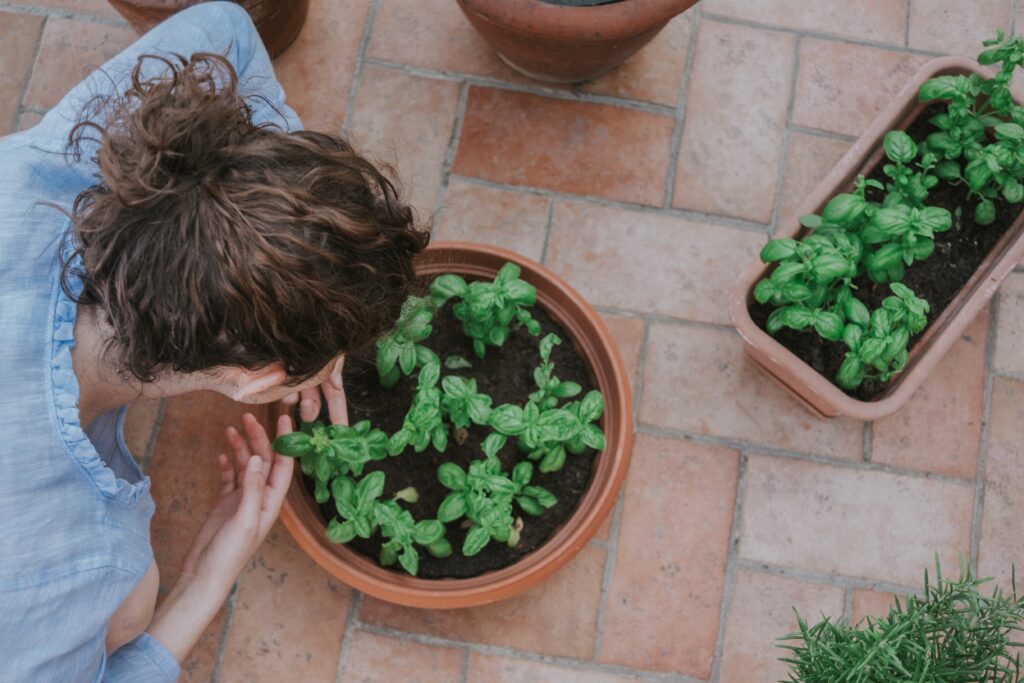
1. Choose a Healthy Stem: Select a long, healthy stem from the parent plant.
2. Prepare the Stem: Make a small cut on the underside of the stem where it will touch the soil.
3. Layer the Stem: Bend the stem down to the soil and secure it in place, ensuring the cut portion is in contact with the soil.
4. Water and Wait: Keep the soil consistently moist as new roots form, which may take several weeks.
5. Separate and Transplant: Once the layered stem has developed roots, carefully cut it from the parent plant and transplant it to a new location or container.
By following these tips, you can successfully grow herbs from seeds or purchase established plants, and ensure they thrive in your garden. Happy gardening!
Conclusion
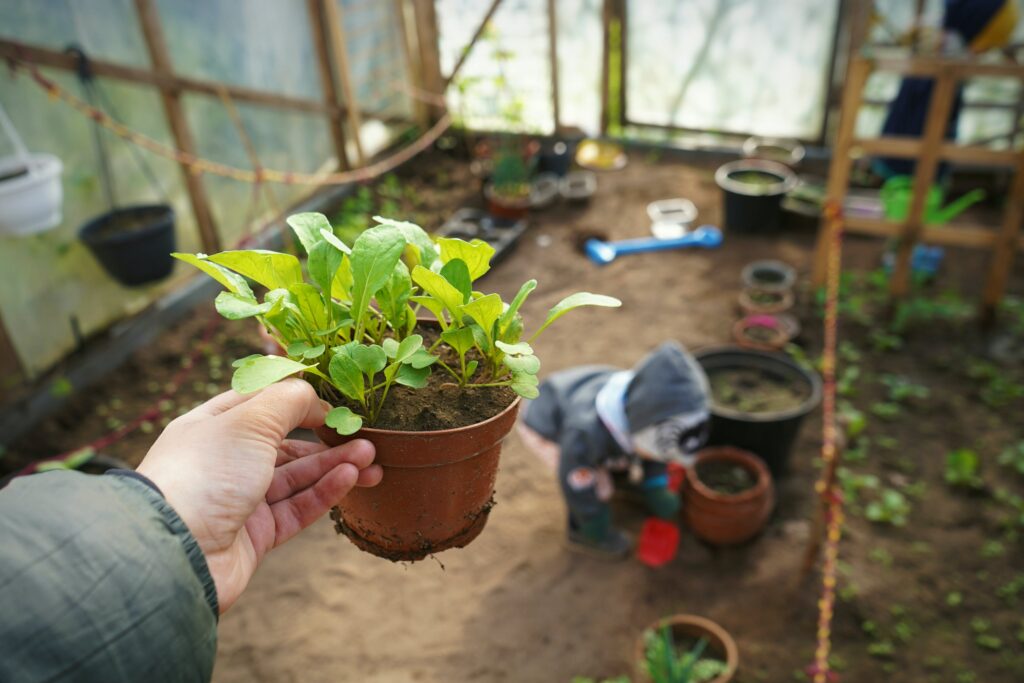
Embarking on herb gardening is more than a hobby; it’s a journey into a world of fresh, organic flavors and a step towards a sustainable, healthier lifestyle. Whether you’re sowing seeds or nurturing established plants, each method enriches your gardening experience with unique rewards.
From the satisfaction of watching seeds sprout to the joy of harvesting aromatic herbs, each step is a celebration of nature.
As you align your herb choices with culinary preferences and available space, remember, your herb garden is not just a patch of plants, but a canvas of greenery, flavor, and well-being. Happy gardening!
FAQs
1. What are some easy herbs for beginners to grow?
For beginners, starting with annual herbs like dill, basil, and cilantro is recommended. These are easy to grow from seed and are prolific in their short lifespan.
2. How much sunlight do herbs need?
Most herbs require at least six hours of sun per day. However, some herbs like mint, cilantro, and parsley can thrive with about 3-4 hours of sunlight, making them suitable for indoor growth or areas with less intense sunlight.
3. Can herbs be grown indoors?
Yes, herbs can be grown indoors. Southwest-facing windowsills offer the most light, making them ideal for herb gardens. If such a window is not available, any sunny spot will do, or you can supplement with HID grow lights.
4. How do I harvest and store herbs?
Herbs should be harvested once the oils responsible for their flavor or scent have peaked but before flowering. For annual herbs, you can cut back up to one-half, while perennials should not be trimmed more than one-third at a time.
5. How do I propagate herbs?
One common method of propagating herbs is through layering, where a stem portion of the plant forms its own roots while still attached to the parent plant. This method works well for herbs with flexible stems, such as savory, sage, and mint.
