Organic Mulching 101: Benefits, Types, and Best Practices
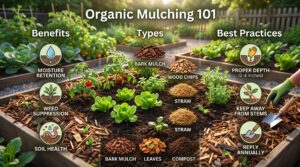
Organic mulching is one of the easiest ways to improve your garden without spending a lot of money. If you are tired of pulling weeds, watering plants every day, or dealing with dry and poor soil, organic mulch can make a big difference. It helps your plants grow stronger, keeps the soil healthy, and saves you time throughout the growing season.
In this guide, you will learn everything you need to know about organic mulching, including its benefits, the different types of organic mulch, how to choose the right one, and the best practices for using it. By the end, you will have the knowledge to create a healthier and more productive garden naturally.
What Is Organic Mulching?
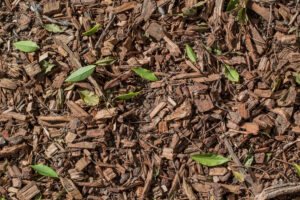
Organic mulching is the process of covering the soil around plants with natural materials that break down over time. As these materials decompose, they add valuable nutrients and organic matter to the soil.
Unlike plastic or stone mulch, organic mulch improves soil quality while protecting your plants. It creates a healthy environment for earthworms and beneficial microorganisms that help plants grow.
Common organic mulch materials include:
- Straw
- Wood chips
- Bark
- Compost
- Grass clippings
- Shredded leaves
- Pine needles
- Coconut coir
Using organic mulch is one of the simplest ways to improve your garden while following sustainable gardening practices.
Why Organic Mulching Is Important for Every Garden
Many gardeners think mulch is only for making flower beds look attractive. In reality, it provides many important benefits that help plants thrive.
Organic mulching helps by:
- Keeping moisture in the soil
- Reducing weed growth
- Improving soil fertility
- Protecting plant roots from extreme temperatures
- Preventing soil erosion
- Supporting healthy soil life
- Reducing the need for frequent watering
Whether you grow vegetables, herbs, flowers, or fruit trees, adding organic mulch can make your garden healthier and easier to maintain.
Top Benefits of Organic Mulching
Keeps Soil Moist Longer
One of the biggest benefits of organic mulching is moisture retention. Mulch acts like a protective blanket over the soil. It reduces water evaporation, allowing the soil to stay moist for a longer time.
This means:
- Less watering
- Lower water bills
- Healthier plants during hot weather
During summer, mulched gardens often stay cooler than bare soil.
Suppresses Weed Growth
Weeds compete with your plants for sunlight, nutrients, and water. Organic mulch blocks sunlight from reaching weed seeds, making it much harder for weeds to grow.
Benefits include:
- Fewer weeds
- Less time spent weeding
- Stronger plant growth
- Cleaner garden beds
Improves Soil Health
As organic mulch decomposes, it becomes part of the soil.
This process:
- Adds organic matter
- Improves soil structure
- Increases nutrient availability
- Encourages beneficial bacteria and fungi
Healthy soil produces healthier plants with stronger root systems.
Protects Plant Roots
Plant roots can suffer during very hot summers or cold winters.
Organic mulch helps by:
- Keeping roots cool in summer
- Insulating roots during cold weather
- Reducing sudden temperature changes
This protection allows plants to grow more consistently throughout the year.
Prevents Soil Erosion
Heavy rain and strong winds can wash away valuable topsoil. A layer of mulch helps hold the soil in place and reduces erosion.
This is especially useful for sloped gardens and raised beds.
Creates a Healthier Garden Ecosystem
Organic mulch supports many helpful organisms, including:
- Earthworms
- Beneficial insects
- Soil microbes
These living organisms improve soil quality naturally and contribute to a balanced garden ecosystem.
Different Types of Organic Mulch
Not all mulch works the same way. Choosing the right type depends on your plants and gardening goals.
Straw
Straw is one of the best choices for vegetable gardens.
Advantages
- Lightweight
- Affordable
- Excellent moisture retention
- Reduces weeds
Best for
- Vegetable gardens
- Raised beds
- Strawberry plants
Wood Chips
Wood chips last much longer than many other mulch types.
Advantages
- Long-lasting
- Attractive appearance
- Excellent weed control
Best for
- Trees
- Shrubs
- Garden pathways
Avoid using fresh wood chips directly around young vegetables because they may temporarily reduce available nitrogen near the soil surface.
Compost
Compost works as both mulch and fertilizer.
Benefits include:
- Rich in nutrients
- Improves soil fertility
- Feeds beneficial microorganisms
It is ideal for vegetable gardens and herb beds.
Grass Clippings
Fresh grass clippings can be used if they are free from herbicides and weeds.
Benefits include:
- Free and easy to find
- Adds nitrogen
- Breaks down quickly
Spread them in thin layers to prevent bad smells.
Shredded Leaves
Autumn leaves make excellent mulch.
Advantages include:
- Improves soil
- Free resource
- Retains moisture well
They are perfect for flower beds and vegetable gardens.
How to Choose the Best Organic Mulch
There is no single mulch that works for every garden. Consider these factors before choosing.
- Think about the type of plants you grow.
- Choose mulch that matches your climate.
- Consider how quickly the mulch breaks down.
- Decide whether appearance is important.
- Use untreated and chemical-free materials.
- Select mulch that fits your budget.
For example, straw works well in vegetable gardens, while wood chips are better around trees and shrubs.
Step-by-Step Guide to Applying Organic Mulch
Applying mulch correctly is just as important as choosing the right type.
Step 1: Remove Weeds
Pull out weeds before adding mulch. Mulch works best on clean soil.
Step 2: Water the Soil
Water deeply before spreading mulch. This helps trap moisture underneath.
Step 3: Spread the Mulch Evenly
Spread mulch evenly across the soil surface.
A layer of about 2 to 4 inches is suitable for most gardens.
Step 4: Keep Mulch Away from Plant Stems
Never pile mulch against plant stems or tree trunks.
Leave a small gap to prevent:
- Rot
- Fungal diseases
- Pest problems
Step 5: Refresh When Needed
Organic mulch naturally breaks down over time.
Check your mulch every season and add a fresh layer if it becomes too thin.
Best Organic Mulch for Different Garden Types
Different gardens benefit from different mulch materials.
| Garden Type | Best Organic Mulch |
|---|---|
| Vegetable Garden | Straw, Compost |
| Flower Beds | Bark, Shredded Leaves |
| Fruit Trees | Wood Chips |
| Herb Garden | Compost |
| Raised Beds | Straw, Compost |
| Garden Paths | Wood Chips |
Matching the right mulch to your garden helps improve plant health and reduces maintenance.
Common Organic Mulching Mistakes to Avoid
Many beginners make simple mistakes that reduce the benefits of mulching.
Avoid these common errors:
- Applying mulch too thick
- Letting mulch touch plant stems
- Using weed-filled grass clippings
- Forgetting to replace old mulch
- Using fresh wood chips around vegetables
- Ignoring drainage problems
Correct mulching helps plants stay healthy throughout the growing season.
DIY Organic Mulch Ideas
You do not always need to buy mulch. Many natural materials found around your home can be turned into effective organic mulch.
Some easy DIY options include:
- Fallen leaves
- Homemade compost
- Grass clippings
- Pine needles
- Shredded newspaper under natural mulch
- Shredded garden prunings
These materials help reduce waste while improving your soil naturally.
Seasonal Mulching Tips
Using mulch at the right time of year gives the best results.
Spring
- Prepare garden beds.
- Lock in soil moisture.
- Protect young plants.
Summer
- Reduce water loss.
- Keep soil cooler.
- Control weeds.
Autumn
- Add fresh mulch after harvesting.
- Improve soil over winter.
Winter
- Protect plant roots from freezing temperatures.
- Prevent soil from drying out in cold weather.
Frequently Asked Questions
1. What is the best organic mulch for vegetable gardens?
Straw and compost are among the best choices. Straw controls weeds and keeps soil moist, while compost adds nutrients that support healthy vegetable growth.
2. How often should organic mulch be replaced?
Most organic mulch should be checked once or twice a year. Fast-breaking materials like grass clippings and compost may need to be replenished more often, while wood chips can last much longer.
3. Can organic mulch attract pests?
Organic mulch does not usually cause pest problems when used correctly. Keep mulch a few inches away from plant stems and avoid making the layer too thick. Proper airflow and good garden maintenance help reduce the chance of insects or fungal diseases.
Conclusion
Organic mulching is one of the smartest investments you can make for your garden. It improves soil health, reduces weeds, keeps moisture in the ground, protects plant roots, and supports a healthy ecosystem. Whether you choose straw, compost, wood chips, or shredded leaves, the right mulch can make gardening easier and more successful.
Start with a small area, apply mulch correctly, and observe the difference over time. With the right organic mulching practices, you can enjoy healthier plants, richer soil, and a beautiful garden while spending less time on maintenance.
For more such insights, keep visiting the organic gardening blog.
