11 Smart Ways to Grow Vegetables in Small Urban Spaces
Living in a city often makes us think gardening is impossible unless we own a backyard. We used to believe the same thing while staring at our tiny balcony and a couple of sunny windows. But after experimenting with containers, vertical setups, recycled items, and compact vegetable varieties, we realised small urban spaces can produce far more food than most people expect. You do not need a big lawn or expensive equipment. With the right approach, even a narrow balcony, rooftop corner, or kitchen window can grow vegetables in small urban spaces, giving fresh herbs, tomatoes, lettuce, chillies, and more throughout the year.
1. Use Vertical Gardening to Multiply Space
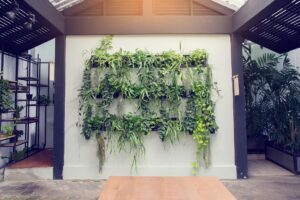
When floor space is limited, growing upward changes everything. We started using vertical shelves, hanging pockets, wall-mounted planters, and simple trellises to grow vegetables without taking over the balcony. This way to grow vegetables in small urban spaces is easy for beginners.
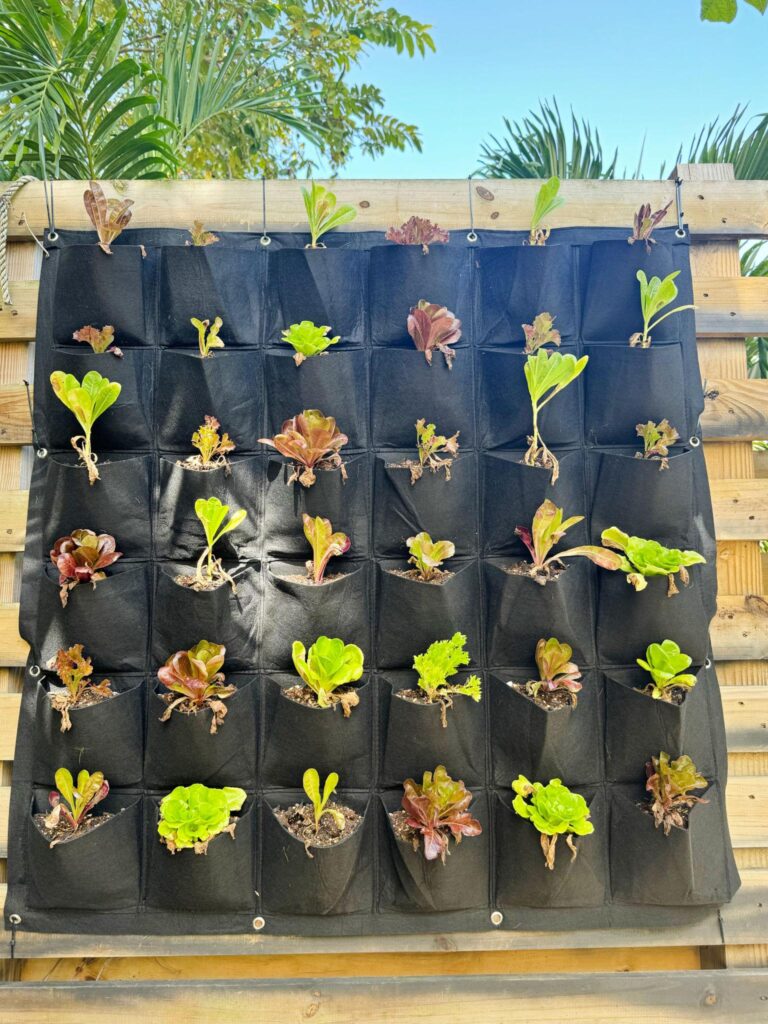
Climbing vegetables like cucumbers, beans, peas, and tomatoes work especially well in vertical gardens. Instead of spreading across the floor, they grow upward and are easier to manage.
A few things that helped us:
- Use lightweight pots for wall setups
- Install strong hooks before hanging planters
- Choose compact climbing varieties
- Rotate containers every few weeks for even sunlight
Vertical gardening also improves airflow around plants, which reduces fungal problems common in crowded spaces.
2. Grow Vegetables in Containers
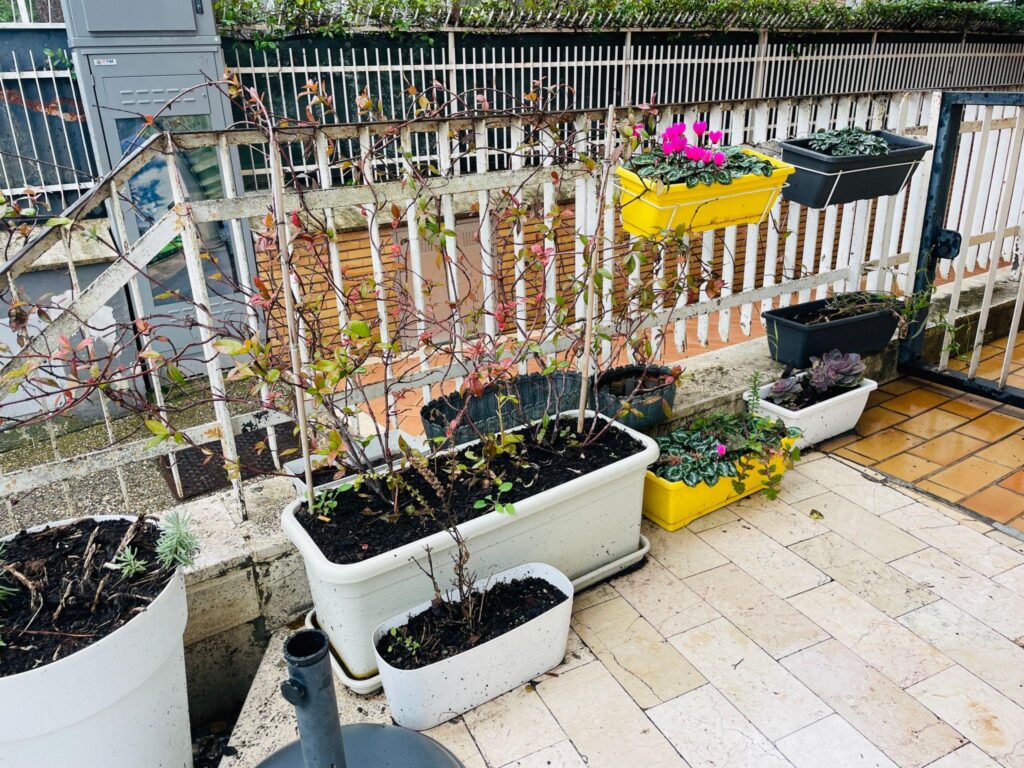
Container gardening is probably the easiest way to start an urban vegetable garden. We began with old buckets and storage tubs before eventually buying proper grow bags.
Most vegetables grow surprisingly well in containers if drainage is good. Tomatoes, spinach, radishes, chillies, lettuce, carrots, and eggplants all adapted well in our small setup.
What made the biggest difference was soil quality. Cheap garden soil became compact and waterlogged quickly. Once we switched to a loose potting mix with compost and coco peat, plant growth improved almost immediately.
Best container vegetables for beginners:
- Tomatoes
- Lettuce
- Mint
- Chillies
- Spinach
- Spring onions
- Radishes
Deep containers work better for root vegetables, while shallow trays are enough for leafy greens.
3. Choose Compact and Dwarf Vegetable Varieties
One mistake we made early on was planting full-sized varieties meant for large gardens. They outgrew containers fast and became difficult to manage.
Compact varieties are designed specifically for balconies, rooftops, and apartments. Dwarf tomatoes, mini peppers, bush beans, and baby carrots need less space while still producing a decent harvest.
These smaller plants also:
- Need less support
- Consume less water
- Grow faster in containers
- Stay manageable indoors
Seed packets usually mention terms like “compact,” “patio,” or “dwarf.” Those are the ones worth picking for urban gardening.
4. Use Window Sills for Herbs and Leafy Greens
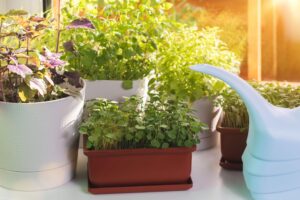
A sunny kitchen window can become a mini vegetable garden. We underestimated how productive window sills could be until we started growing herbs there year-round.
Herbs like basil, coriander, mint, parsley, and chives grow beautifully near windows with good sunlight. Leafy greens such as lettuce and spinach also work surprisingly well indoors.
The best part is convenience. Fresh herbs are right beside the kitchen while cooking, instead of coming from expensive supermarket packs.
A simple tip we learned: rotate indoor pots every few days so plants do not lean heavily toward one side.
5. Grow Vegetables in Hanging Baskets
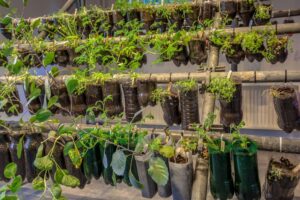
Hanging baskets saved us when the balcony floor space completely disappeared. They allowed us to keep growing without making the area feel crowded.
Cherry tomatoes, strawberries, lettuce, spinach, and herbs grow particularly well in hanging baskets.
There are practical advantages too:
- Better air circulation
- Fewer pest problems
- Easy harvesting
- Decorative appearance
Coconut coir-lined baskets worked best for us because they drain well while still holding enough moisture.
6. Try Hydroponic Gardening
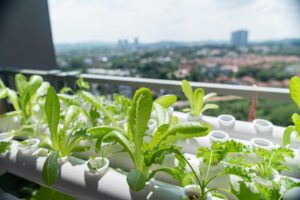
Hydroponics sounds complicated at first, but small beginner systems are easier than they look. We tested a simple countertop hydroponic setup and were surprised by how quickly leafy greens grew.
Hydroponic gardening uses nutrient-rich water instead of traditional soil. Because nutrients reach roots directly, plants often grow faster.
Leafy greens perform especially well:
- Lettuce
- Kale
- Spinach
- Basil
- Mint
Hydroponics also keeps things cleaner indoors since there is no soil mess around the apartment.
7. Make Use of Rooftops
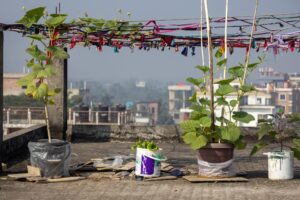
Many urban homes ignore rooftop space completely. Once we added lightweight containers and shade protection on the roof, it became our most productive gardening area.
Rooftops usually receive better sunlight than balconies surrounded by buildings. That extra sunlight makes a huge difference for vegetables like tomatoes, cucumbers, peppers, and eggplants.
A few lessons we learned:
- Use lightweight grow bags instead of heavy clay pots
- Protect plants from strong winds
- Install proper drainage
- Add shade cloth during intense summer heat
Even a tiny rooftop corner can support several productive vegetable containers.
8. Recycle Household Items as Planters
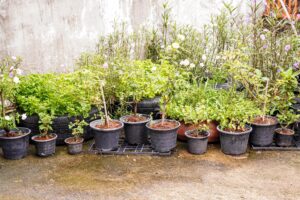
Urban gardening can become expensive if every container and accessory is bought new. Some of our best planters actually started as recycled household items.
We have successfully grown vegetables in:
- Plastic bottles
- Paint buckets
- Old storage boxes
- Tin cans
- Wooden crates
The key is drainage. Drill a few holes at the bottom and most containers become usable.
Recycling also adds personality to small gardens. Instead of identical plastic pots everywhere, the space feels more creative and lived-in.
9. Practise Companion Planting to Grow Vegetables in Small Urban Spaces
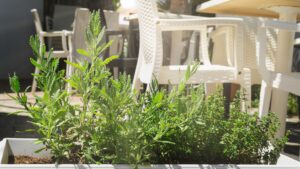
Once our balcony became crowded, pest issues started increasing. Companion planting helped more than we expected.
Certain plants naturally support each other. For example:
- Basil near tomatoes improves growth and helps repel pests
- Marigolds discourage harmful insects
- Mint helps deter ants
- Lettuce grows well beneath taller plants
Companion planting also makes better use of limited space because different plants occupy different heights and root depths.
10. Focus on Fast-Growing Vegetables
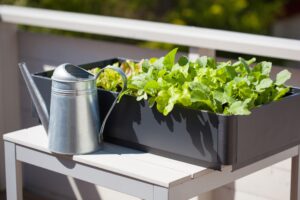
In small spaces, fast-growing crops keep gardening rewarding. Waiting months for harvests can feel discouraging when space is already limited.
Fast growers we repeatedly plant include:
- Radishes
- Lettuce
- Spinach
- Green onions
- Rocket leaves
- Coriander
Some of these can be harvested within a few weeks. Continuous harvesting keeps containers productive instead of sitting empty for long periods.
Succession planting helped us a lot too. Every couple of weeks, we sow fresh seeds so new plants replace harvested ones continuously.
11. Learn Sunlight Patterns Before Planting
This single step prevented many gardening failures for us. Different parts of a balcony or rooftop receive very different sunlight levels throughout the day.
Before planting anything, we spent a few days observing:
- Which corner gets morning sun
- Which spots stay shaded
- Where harsh afternoon heat hits hardest
This helped us place vegetables correctly:
- Tomatoes and peppers in full sun
- Mint and lettuce in partial shade
- Herbs near bright windows
Once plant placement matched sunlight conditions, growth became noticeably healthier.
FAQs
1. What are the best ways to grow vegetables in small urban spaces?
Leafy greens, tomatoes, chillies, herbs, radishes, spring onions, and compact cucumber varieties perform especially well in small urban gardens because they adapt easily to containers and balconies.
2. How much sunlight do vegetables need?
Most vegetables need at least 5–6 hours of sunlight daily. Leafy greens tolerate partial shade better, while fruiting vegetables like tomatoes and peppers require stronger direct sunlight.
3. Can we grow vegetables in small urban spaces indoors?
Yes, many herbs and leafy greens grow indoors near bright windows. Hydroponic systems and grow lights can also support indoor vegetable gardening in apartments with limited sunlight.
4. What is the easiest vegetable for beginners to grow?
Lettuce, spinach, mint, radishes, and spring onions are among the easiest vegetables for beginners because they grow quickly and require less maintenance.
Conclusion
Growing vegetables in small urban spaces changed the way we look at city living. What started with a few herbs on a windowsill slowly turned into containers across balconies, hanging baskets near railings, and vegetables climbing vertical shelves. The biggest lesson we learned is that space matters far less than creativity and consistency. A tiny apartment corner can still produce fresh food if sunlight, watering, and plant selection are handled properly.
Urban gardening also makes daily life feel calmer. Checking seedlings every morning, harvesting fresh herbs before cooking, and watching tomatoes ripen in a crowded city somehow feels rewarding in a way supermarket vegetables never do. You do not need perfect conditions to start. A few containers, decent soil, and one sunny spot are enough to begin growing your own vegetables at home. For more such interesting insights, keep visiting the top organic gardening blog.
